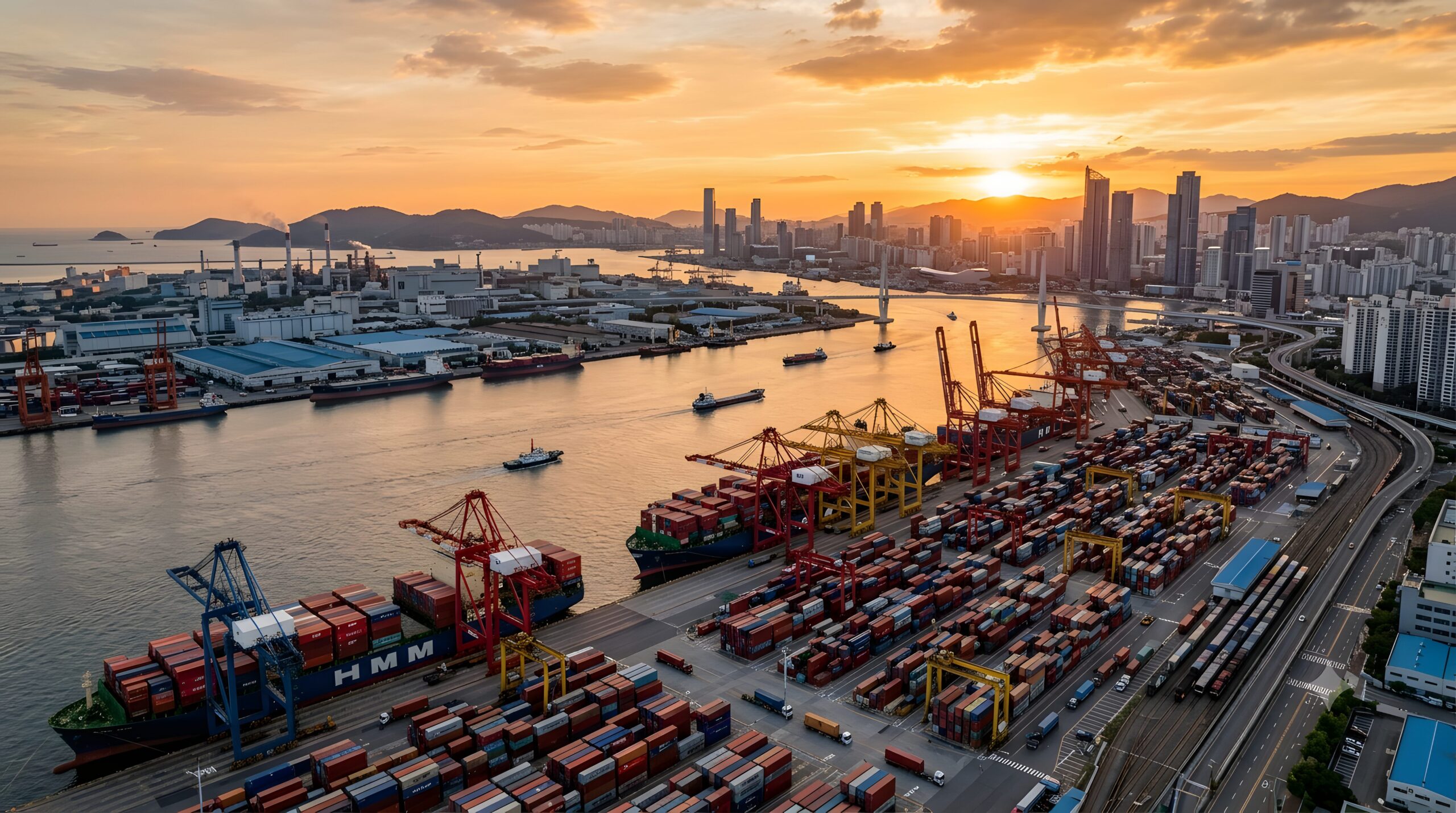
The global economic landscape is buzzing with exciting news from East Asia, as South Korean exports have recently seen their most significant surge since 1978, signaling robust health for one of the world’s most dynamic economies. This remarkable rebound isn’t just a fleeting moment; it reflects deep-seated strengths and evolving global demands that are putting South Korea squarely in the spotlight as a critical player in international trade. For anyone interested in the pulse of global commerce, the future of technology, or simply the fascinating story of modern Korea, understanding this export boom is essential.
What’s Driving the South Korean Exports Phenomenon?
To truly grasp the magnitude of this surge, we need to look beyond the headlines and delve into the fundamental drivers. While multiple sectors contribute to Korea’s robust export performance, one stands out as the undisputed champion: semiconductors.
The Semiconductor Supercycle
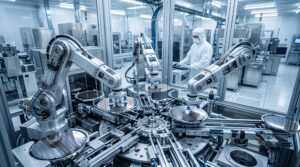
The world is in the midst of an unprecedented demand for semiconductors, often referred to as a ‘supercycle.’ From the smartphones in our pockets to the advanced AI systems powering data centers, electric vehicles, and smart homes, chips are the indispensable ‘brains’ of modern technology. South Korea, home to global giants like Samsung Electronics and SK Hynix, is at the absolute forefront of producing these critical components.
- Digital Transformation Acceleration: The pandemic accelerated digital transformation across industries, from remote work and e-learning to telemedicine and online entertainment. This shift created an insatiable appetite for devices and infrastructure that rely heavily on advanced chips.
- Next-Generation Technologies: The rise of 5G, Artificial Intelligence (AI), the Internet of Things (IoT), and autonomous driving further fuels chip demand. Korea’s prowess in memory chips (DRAM and NAND flash) and increasingly, logic chips, positions it perfectly to capitalize on these trends.
- Supply Chain Dynamics: Geopolitical factors and a renewed focus on supply chain resilience have also highlighted the critical role of key chip manufacturers. Countries and companies are eager to secure their supply, often turning to reliable, high-volume producers like those in South Korea.
Beyond Chips: Diversification and Innovation
While semiconductors are undoubtedly the primary engine, South Korea’s export success isn’t a one-trick pony. Other sectors are also showing impressive growth, demonstrating the nation’s diversified industrial base and continuous innovation:
- Automobiles and Batteries: Korean automakers like Hyundai and Kia are making significant inroads globally, particularly with their electric vehicle (EV) offerings. Complementing this, Korean battery manufacturers (LG Energy Solution, Samsung SDI, SK Innovation) are leading the charge in powering the EV revolution, with surging exports of lithium-ion batteries.
- Petrochemicals and Steel: Traditional heavy industries continue to play a vital role, benefiting from global economic recovery and infrastructure projects.
- Bio-health and Pharmaceuticals: The pandemic underscored the importance of the bio-health sector. South Korea has emerged as a significant player in vaccine production, diagnostics, and biopharmaceuticals, exporting these crucial medical goods worldwide.
- Cultural Exports (Hallyu): While not typically counted in traditional export figures, the ‘Korean Wave’ (K-Pop, K-Dramas, K-Beauty, K-Food) indirectly boosts the economy through tourism, brand recognition, and demand for related products. This soft power paves the way for other Korean goods and services.
Why This Matters to You: A Global Ripple Effect
South Korea’s export boom isn’t just a story for economists or trade analysts; it has tangible implications for people around the world, especially those with an interest in Korea or its global influence.
Impact on Global Tech Supply Chains
If you own a smartphone, a laptop, or an electric car, you are directly affected by South Korea’s chip manufacturing capabilities. A robust Korean export sector means more stable and efficient global supply chains for the electronics and automotive industries. Delays or disruptions in Korea could have widespread ramifications, highlighting its indispensable role.
Investment and Economic Stability
A thriving export economy means a stronger South Korean economy overall. This translates into greater stability for global financial markets, increased foreign investment opportunities, and a more resilient partner in international trade agreements. For investors, Korea’s economic health offers attractive prospects in technology, manufacturing, and emerging sectors.
The Broader ‘Korea Wave’ Connection
A prosperous South Korea also means more resources and greater global reach for its cultural exports. The economic strength derived from industries like semiconductors indirectly supports the continued growth and innovation within K-Pop, K-Dramas, and K-Culture at large. A strong economy allows for continued investment in creative industries, further cementing Korea’s place on the global cultural stage. This means more high-quality entertainment and cultural experiences for fans worldwide.
Challenges and Future Outlook
While the current outlook is overwhelmingly positive, no economic trajectory is without its potential headwinds. South Korea, like any major trading nation, faces ongoing challenges.
Geopolitical Headwinds
The global trade landscape is often shaped by geopolitical tensions. Maintaining stable relations with key trading partners and navigating complex international dynamics will be crucial for sustained export growth. Dependencies on specific markets for both raw materials and sales can also pose risks.
Sustaining Momentum
The semiconductor supercycle, while powerful, will eventually normalize. South Korea’s long-term strategy involves continuous investment in R&D, diversification into new high-growth areas (like AI, biotech, and future mobility), and strengthening its competitive edge in existing industries. The focus on innovation and high-value-added products will be key to preventing over-reliance on any single sector.
The recent surge in South Korean exports is more than just an impressive statistic; it’s a testament to the nation’s remarkable adaptability, technological prowess, and strategic positioning in the global economy. As demand for advanced technology continues to grow, South Korea stands ready to meet it, reinforcing its status as a vital economic engine and a beacon of innovation for the world. For those watching Korea’s ascent, this export boom confirms its enduring influence on everything from the devices in our hands to the cultural trends shaping our world.
Source: original article
Honestly the best gaming experience I’ve had in a while. The graphics are crisp and the winning streaks have been amazing lately. 7888wingame is definitely my new go-to site.