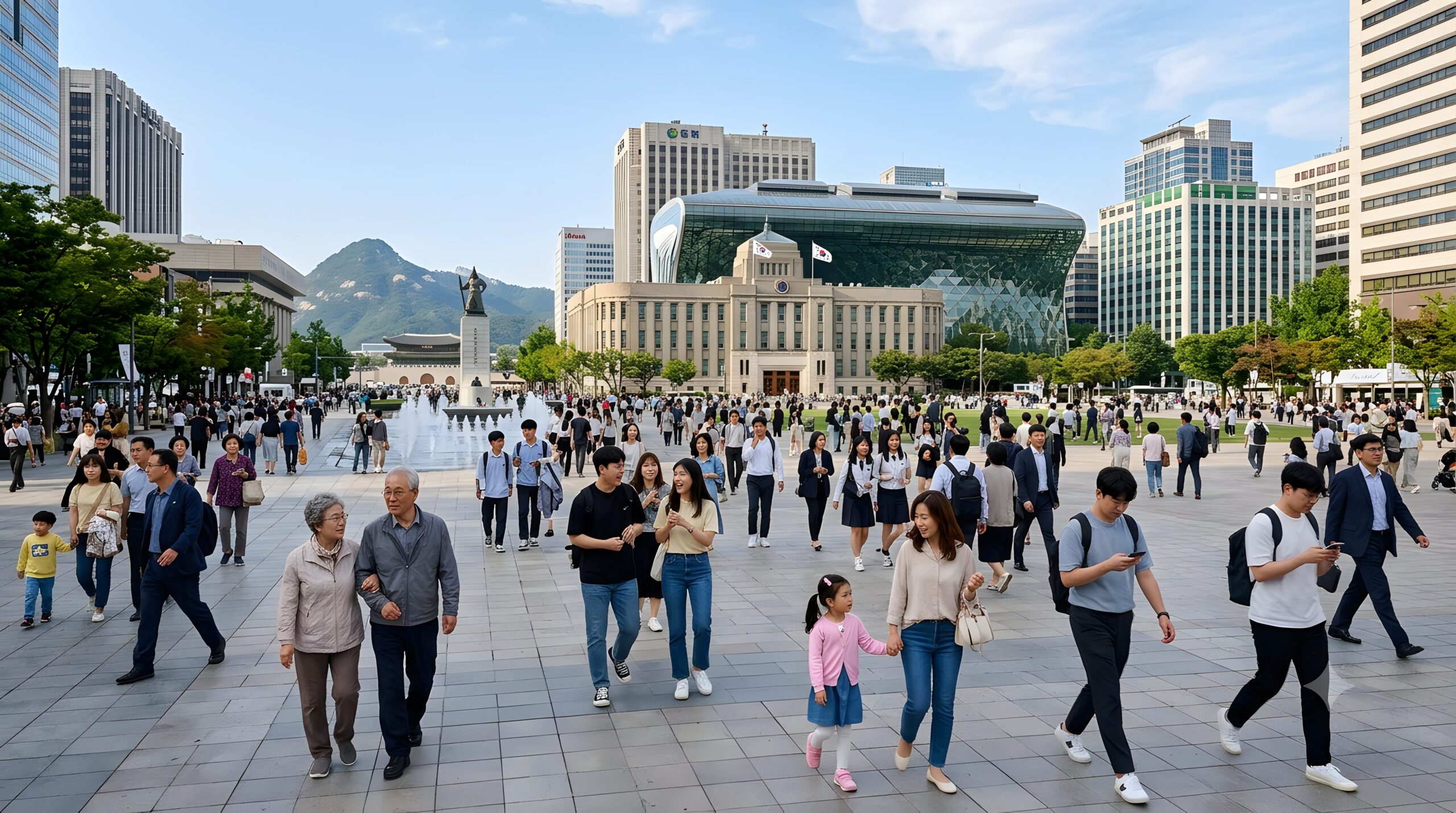
South Korea’s remarkable transformation from an authoritarian state to a beacon of democracy is one of the most compelling stories of the late 20th century. This incredible journey of Korean democratic renewal, from the shadows of martial law to a vibrant, participatory nation, offers invaluable lessons for freedom seekers worldwide. For anyone interested in the resilience of the human spirit and the power of collective action, understanding South Korea’s path to democracy is not just a historical account; it’s a living testament to the ongoing global struggle for human rights and self-determination. Let’s delve into how a nation, once gripped by military rule, found its voice and reshaped its destiny.
From the Ashes of War: A Nation Forged in Turmoil
The aftermath of the Korean War left a devastated peninsula, with South Korea emerging as a young nation facing immense challenges. The immediate decades saw a focus on rapid economic development, often at the expense of political freedoms. Strongman leaders, initially lauded for stabilizing the nation and spearheading economic growth, gradually consolidated power, leading to authoritarian regimes that suppressed dissent, controlled the media, and manipulated elections. This period, while laying the groundwork for Korea’s economic miracle, also sowed the seeds of discontent among a populace yearning for greater political agency.
The Seeds of Dissent: Early Challenges to Autocracy
Even under strict martial law and various forms of authoritarian rule, the flame of democracy was never fully extinguished. Throughout the 1960s and 70s, students, intellectuals, religious leaders, and a nascent civil society quietly (and sometimes not so quietly) challenged the state. Key moments like the April Revolution in 1960, which overthrew the First Republic, demonstrated the power of public outcry, even if its democratic gains were short-lived. These early acts of defiance, though often met with harsh repression, laid the groundwork for future, more widespread movements, demonstrating a persistent desire for a government accountable to its people.
Turning Points in Korean Democratic Renewal
The transition from authoritarianism to full democracy was not a smooth one; it was marked by profound struggles, sacrifices, and pivotal moments that galvanized the nation.
The Gwangju Uprising: A Bloody Awakening
Perhaps no event is more etched into the collective memory of the Korean struggle for democracy than the Gwangju Uprising of May 1980. Following a military coup that seized power and declared martial law, citizens in Gwangju rose up against the brutal suppression, demanding an end to military rule and the restoration of democracy. The ensuing crackdown by government troops was horrific, resulting in hundreds, if not thousands, of deaths and injuries. The Gwangju Uprising, though a tragic chapter, became a powerful symbol of resistance. It exposed the brutality of the regime to the world and solidified the resolve of many Koreans to fight for genuine democratic change, making it a critical catalyst for the broader Korean democratic renewal movement.
The June Democracy Movement: The People’s Triumph
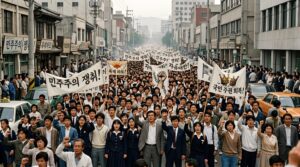
By the mid-1980s, public frustration with authoritarian rule reached a boiling point. Sparked by the death of a student activist under torture and the government’s attempt to handpick the next president, millions of South Koreans took to the streets in June 1987. This nationwide mobilization, known as the June Democracy Movement, saw citizens from all walks of life demonstrating peacefully but firmly. The sheer scale and determination of the protests, coupled with increasing international scrutiny, forced the government to concede. On June 29, 1987, the ruling party’s presidential candidate, Roh Tae-woo, announced sweeping democratic reforms, including direct presidential elections and fundamental changes to the constitution. This was a monumental victory for the Korean people, marking the true beginning of the country’s democratic era.
Building a Robust Democracy: Institutions and Civil Society
The June Democracy Movement was just the start. The subsequent decades have been dedicated to solidifying democratic institutions and strengthening civil society.
Constitutional Reforms and Electoral Integrity
The 1987 constitutional revision laid the foundation for a truly democratic system, establishing a direct presidential election, strengthening legislative power, and enhancing fundamental human rights. Subsequent electoral reforms have worked to ensure transparency and fairness, solidifying the legitimacy of the political process. South Korea now boasts a robust multi-party system, with regular, free, and fair elections that reflect the will of the people.
The Role of a Vigilant Civil Society
A vibrant and active civil society has been crucial in safeguarding Korea’s democratic gains. Non-governmental organizations, labor unions, student groups, and citizen movements continue to play a vital role in holding power accountable, advocating for human rights, and addressing social issues. Their collective vigilance ensures that democratic principles are not merely enshrined in law but actively practiced and defended.
Lessons for the World: Why South Korea’s Story Matters
South Korea’s journey from martial law to a thriving democracy offers profound insights and inspiration for a global audience:
- Resilience in the Face of Adversity: It demonstrates that even under severe repression, the yearning for freedom can never be permanently crushed.
- The Power of People: The June Democracy Movement, in particular, highlights how sustained, widespread, and non-violent civic action can compel even entrenched authoritarian regimes to concede.
- Democracy and Prosperity: South Korea’s experience debunks the myth that authoritarianism is necessary for economic development. Its economic success has only accelerated and become more sustainable with the advent of democracy.
- Global Inspiration: For nations currently grappling with authoritarianism or struggling to consolidate democratic gains, South Korea serves as a powerful example of what is possible.
- Soft Power and Cultural Influence: A democratic Korea has become a global cultural powerhouse, demonstrating that a free society fosters creativity and innovation, leading to worldwide admiration and influence.
Conclusion
The story of South Korea’s democratic renewal is far from static; it’s an ongoing journey of refinement and adaptation. Yet, the foundational shift from military rule to a vibrant, participatory democracy stands as a monumental achievement. It’s a powerful narrative of courage, sacrifice, and the unwavering belief in the ideals of freedom and justice. For anyone seeking to understand the enduring power of democratic principles and the potential for transformative change, South Korea offers an unparalleled and inspiring case study.
Source: original article