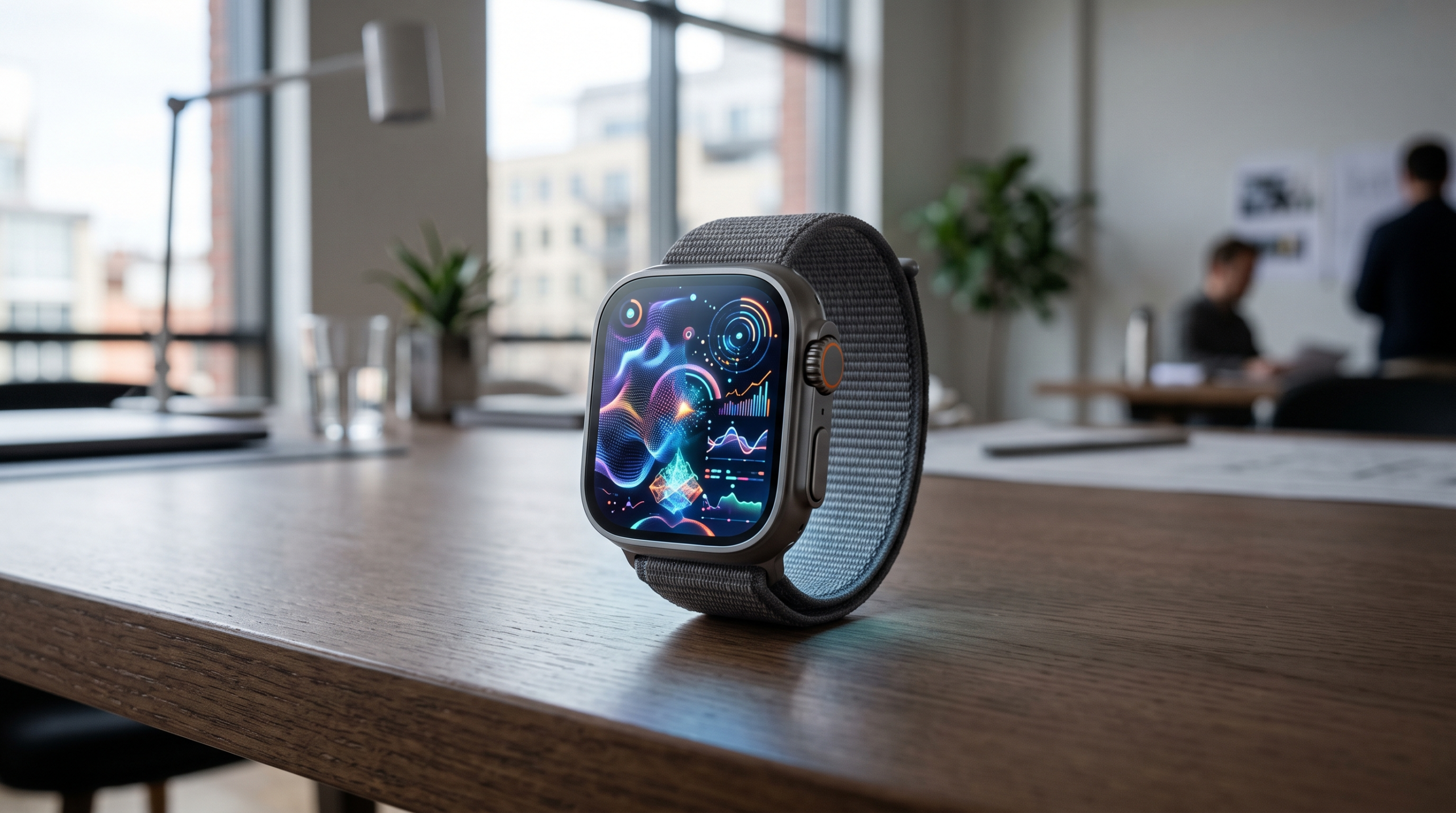
The rumor mill is buzzing louder than ever, pointing towards a significant Apple Watch redesign that could fundamentally alter the face—and perhaps even the shape—of Apple’s iconic wearable. For years, the Apple Watch has been a dominant force in the smartwatch market, evolving from a sleek accessory into an indispensable health and fitness companion for millions worldwide. Yet, in the fast-paced world of technology, even the most successful products must innovate to stay relevant. Bloomberg reports and other tech outlets are fanning the flames of speculation, suggesting Apple is exploring a dramatic shake-up for its smartwatch lineup, ushering in what many are calling a “new era” for the device.
This isn’t just about a fresh coat of paint; it’s about a potential re-evaluation of what a smartwatch can be and how it integrates into our lives. For a broad international audience, an Apple Watch redesign isn’t merely a niche tech update. It signifies shifts in personal health monitoring, communication, fashion, and even our daily interactions with technology. From bustling metropolises to remote communities, the Apple Watch has become a global phenomenon, and any major shift in its design or capabilities could ripple across diverse user bases, impacting everything from app development to accessory markets. Let’s dive into what’s being rumored and why it matters.
The Ticking Clock of Innovation: Why an Apple Watch Redesign Matters
Since its debut, the Apple Watch has set the benchmark for smartwatches. Its rectangular, “squircle” design has become instantly recognizable, pairing seamlessly with iPhones and offering a rich ecosystem of apps and health features. However, while incremental improvements have been constant, the core design has remained largely unchanged for nearly a decade. In a market now crowded with competitors offering diverse aesthetics and specialized functionalities, a fresh vision from Apple could be exactly what’s needed to maintain its edge and recapture consumer excitement.
For many, the Apple Watch is more than just a gadget; it’s a personal statement, a health monitor, and a crucial communication tool. A significant redesign could enhance these roles, making the device even more appealing to new users while reinvigorating the existing user base. It could also open up new avenues for fashion integration, potentially drawing in audiences who prioritize style as much as, or even more than, technology.
Beyond the Rectangular: A Circular Future?
One of the most persistent and intriguing rumors is the potential for Apple to ditch its iconic rectangular display in favor of a circular watch face. This would be a monumental shift, bringing the Apple Watch into closer alignment with traditional timepieces and many Android smartwatches. The appeal of a circular design is undeniable for those who value classic aesthetics.
- Pros: A circular display could offer a more “watch-like” appearance, potentially broadening its appeal to watch enthusiasts. It might also allow for new, intuitive ways of interacting with apps, leveraging the circular nature for unique interfaces.
- Cons: A circular screen might present challenges for existing apps and complications designed for a rectangular canvas. It could also mean less screen real estate for certain types of information, especially text-heavy notifications or maps, requiring a fundamental rethink of the user interface.
If Apple does go circular, it won’t be a mere aesthetic choice; it would represent a deep commitment to redefining the smartwatch experience from the ground up, ensuring that the software and hardware work in perfect harmony to make the most of the new form factor.
A Return to Luxury: The Allure of Ceramic and Premium Materials for the Apple Watch Redesign
Another exciting prospect emerging from the rumor mill is the return of high-end materials, specifically ceramic. Apple previously offered ceramic Apple Watch models (Series 2, 3, and 5 Edition), which were lauded for their scratch resistance, lightweight feel, and premium look. Reintroducing ceramic, or exploring other luxurious materials like titanium in more prominent roles, could signify Apple’s intent to elevate the Apple Watch’s status as a high-fashion accessory.
The choice of materials significantly impacts not just durability but also the perceived value and aesthetic appeal of a device. A ceramic casing, for instance, offers a distinct tactile experience and a unique visual sheen that stands apart from aluminum or stainless steel. This move could appeal to a more discerning global audience looking for a blend of cutting-edge technology and sophisticated craftsmanship, positioning the Apple Watch as a genuine luxury item rather than just a tech gadget. Furthermore, exploring new manufacturing processes could lead to thinner, lighter, or even more robust designs, enhancing comfort and longevity.
More Than Skin Deep: What About the Internals?
While external changes grab headlines, a true “new era” for the Apple Watch would undoubtedly involve significant internal upgrades. Bloomberg’s Gurman has hinted at a “broader redesign” which implies more than just aesthetics. We could see:
- Enhanced Health Sensors: Apple is constantly pushing the boundaries of health tech. Future models might include advanced blood pressure monitoring, non-invasive glucose tracking, or even more sophisticated sleep analysis capabilities, all of which would require new internal components and refined algorithms.
- Improved Battery Life: This remains a perennial request from users. A redesign could allow for larger batteries or more power-efficient processors, finally moving beyond the typical “all-day” battery life to something more substantial.
- Faster Performance: New chipsets would ensure smoother operation, quicker app launches, and the ability to handle more complex tasks directly on the wrist, reducing reliance on the iPhone.
- Modular Components: There’s speculation about modular components that could allow for greater customization or easier repair, aligning with evolving consumer preferences and right-to-repair movements.
Interestingly, some reports suggest a “dull” 2026 upgrade might precede a truly “big redesign.” This could mean Apple is laying foundational groundwork with minor internal tweaks before unleashing a fully overhauled product, ensuring stability and a seamless transition for its complex supply chain.
What This Means for You: The Global Consumer Perspective
For the average consumer, these rumors translate into exciting possibilities. An Apple Watch redesign could mean:
- More Choice: A wider array of designs, materials, and potentially price points could make the Apple Watch accessible or appealing to an even broader demographic.
- Enhanced Functionality: Beyond aesthetics, the core improvements in health, battery, and performance would offer tangible benefits for daily life, potentially making the device even more integral to personal well-being and productivity.
- Fashion and Personalization: A more diverse lineup could allow users to choose a watch that truly reflects their personal style, moving beyond its current tech-centric appeal.
Apple’s influence on the wearable market is immense. Any major shift in their strategy will inevitably influence other manufacturers, spurring innovation across the industry. This competition ultimately benefits consumers worldwide, driving better products and more competitive pricing.
Conclusion
While these are still largely rumors and speculation, the consistent whispers of a significant Apple Watch redesign paint an exciting picture for the future of wearable technology. Apple has a history of not just innovating, but redefining entire product categories, and the Apple Watch could be next in line for a revolutionary overhaul. Whether it’s a circular display, a return to luxurious ceramic, or groundbreaking new health features, one thing is clear: the next generation of Apple’s smartwatch is poised to be more than just an incremental upgrade. It could genuinely mark a “new era,” setting fresh standards for design, functionality, and how technology integrates into our lives. Stay tuned, because the future of your wrist just got a lot more interesting.
Source: original article