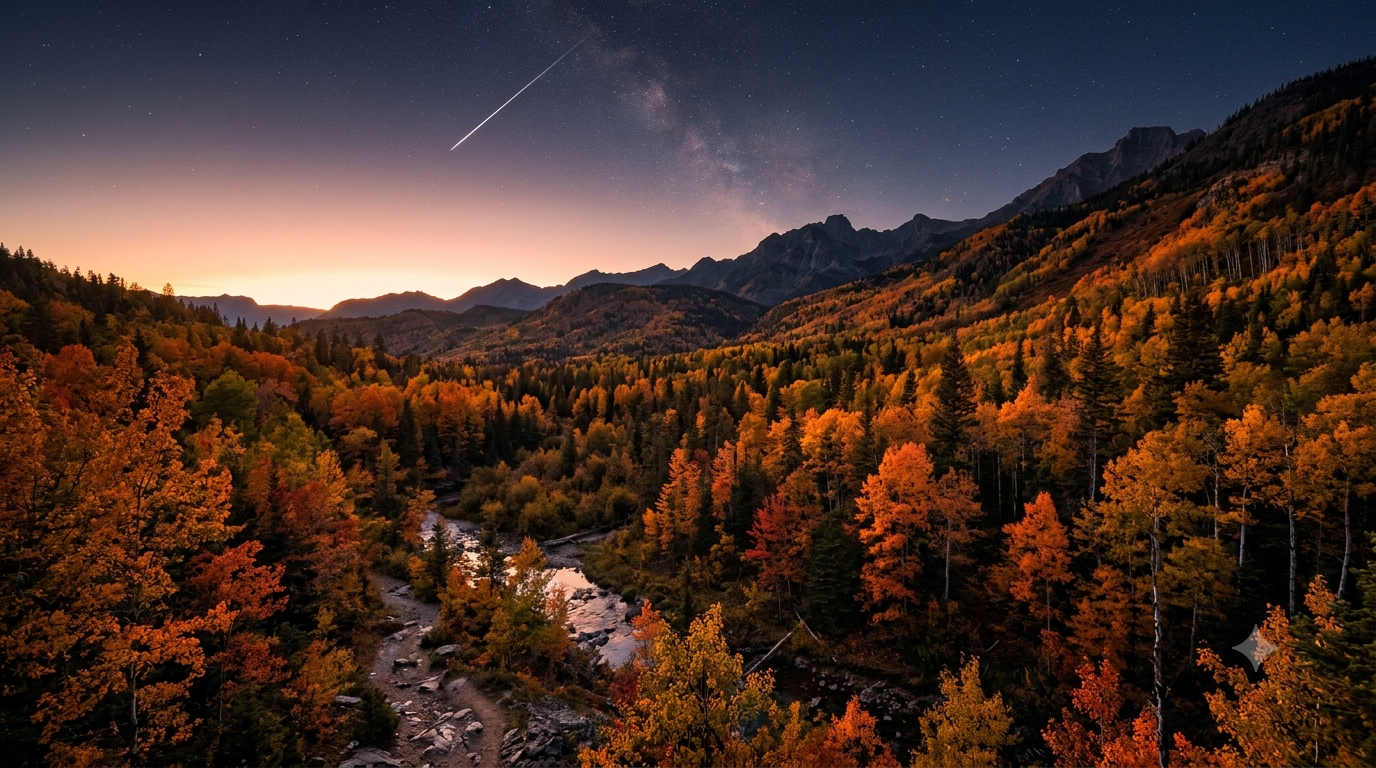
The Orionid meteor shower, one of autumn’s most anticipated celestial displays, is set to reach its peak viewing, offering skygazers around the globe a chance to witness debris from the famed Halley’s Comet streaking across the night sky. While local news often highlights specific regions, the magic of this annual event—and indeed, the breathtaking beauty of fall foliage—transcends geographical boundaries, inviting a broad international audience to look up and around. This season presents a unique opportunity to experience two of nature’s most spectacular shows simultaneously: the fiery cosmic dance of meteors and the vibrant terrestrial artistry of autumn leaves. Whether you’re a seasoned astronomer, a nature enthusiast, or simply someone looking for a moment of wonder, understanding these phenomena and how to best enjoy them can transform an ordinary autumn evening into an unforgettable adventure.
The Cosmic Spectacle: Understanding the Orionid Meteor Shower
Each year, around mid-October, our planet passes through a stream of cosmic debris left behind by Halley’s Comet. This celestial dust and rock then enters Earth’s atmosphere at incredible speeds, burning up and creating the brilliant streaks of light we know as the Orionid meteors. These meteors are exceptionally swift, often described as “fast-moving” and known for occasionally producing bright, persistent trains that glow for several seconds after the meteor has passed. Sometimes, they even produce fireballs – exceptionally bright meteors that can light up the entire sky. It’s a truly humbling experience to witness these tiny fragments of an ancient comet, some of which have been traveling through space for millennia, briefly illuminate our night.
What are the Orionids?
The name “Orionid” comes from the fact that the meteors appear to radiate from a point in the sky near the constellation Orion, the Hunter. While they seem to originate from this specific point, they can actually appear anywhere in the sky, so it’s best to observe a wide area. Halley’s Comet, the parent body of the Orionids, is perhaps the most famous comet, visible from Earth approximately every 75-76 years. The last time it graced our inner solar system was in 1986, and its next return isn’t until 2061. However, thanks to the Orionids, we get a yearly reminder of its majestic journey.
When and How to Spot Them
The Orionid meteor shower is typically active from early October to early November, but its peak usually occurs around the third week of October. For optimal viewing, the best time to look up is generally after midnight and before dawn. This is when the radiant point of the shower is highest in the sky. To maximize your chances of seeing meteors, find a location far away from city lights, ideally with an unobstructed view of the sky. Light pollution is the biggest enemy of meteor shower viewing, washing out all but the brightest meteors. Allow your eyes at least 20-30 minutes to adjust to the darkness; this will significantly improve your ability to see fainter meteors. You don’t need any special equipment like telescopes or binoculars; the Orionids are best viewed with the naked eye, allowing you to take in the broadest possible expanse of the sky. While the Zenithal Hourly Rate (ZHR) for the Orionids is around 10-20 meteors per hour in a dark sky, this is an average, and activity can vary from year to year and even hour to hour. Patience is key!
Autumn’s Terrestrial Canvas: The Magic of Fall Foliage
Complementing the celestial spectacle above, the ground beneath us often undergoes its own stunning transformation during autumn. Fall foliage, or “leaf-peeping” as it’s affectionately known in some parts of the world, is a beloved seasonal event where deciduous trees shed their green summer attire for a breathtaking palette of reds, oranges, yellows, and browns. This annual display is a powerful reminder of nature’s cyclical beauty and draws millions of tourists to regions renowned for their vibrant autumn colors.
Why Leaves Change Color
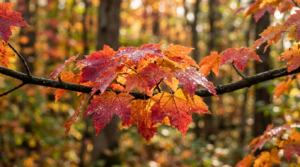
The science behind fall foliage is fascinating. Throughout spring and summer, leaves produce chlorophyll, the pigment responsible for their green color and for photosynthesis. As autumn approaches, shorter days and cooler temperatures signal trees to stop producing chlorophyll. As the green fades, other pigments that were present all along—carotenoids (responsible for yellows and oranges) and anthocyanins (responsible for reds and purples)—become visible. Anthocyanins, unlike carotenoids, are produced in the fall in response to bright sunlight and cool temperatures, which is why a sunny, crisp autumn day often leads to the most brilliant red displays. The intensity and duration of fall colors are heavily influenced by weather conditions, making each year’s display unique.
Best Places and Times for Viewing
While the news might highlight specific areas like Central New York, the phenomenon of fall foliage is cherished globally in temperate regions. North America is particularly famous for its spectacular displays, with New England, the Appalachian Mountains, and parts of the Pacific Northwest drawing massive crowds. Beyond the U.S., Canada’s eastern provinces, Japan (especially Kyoto and Hokkaido), parts of Europe (such as the Scottish Highlands, the Alps, and regions of Germany and France), and even areas of China and South Korea offer equally stunning autumnal landscapes. The exact peak viewing times vary significantly by latitude, altitude, and local weather patterns, but generally, early to mid-October is prime time in many northern temperate zones, with colors shifting southwards as the season progresses. Online foliage trackers and local tourism boards are excellent resources for predicting peak color times in specific areas.
A Dual Delight: Combining Stargazing with Leaf-Peeping
What makes this time of year particularly special is the potential to combine the awe-inspiring beauty of the Orionid meteor shower with the serene splendor of fall foliage. Imagine finding a cozy spot in a forest clearing, surrounded by trees ablaze with crimson and gold, and then looking up to see meteors streaking across a clear, dark sky. This unique juxtaposition of terrestrial and celestial beauty offers an unparalleled sensory experience, connecting us deeply with the natural world.
Planning Your Perfect Night
While meteor showers are global events, the opportunity to witness them amidst peak fall foliage is more geographically specific, occurring in temperate zones where deciduous trees flourish. When planning a trip or an evening outing, consider areas known for both dark skies and vibrant autumn colors. National parks, state forests, and rural areas away from urban centers are often ideal. Check local weather forecasts for clear skies and moon phase. A new moon phase will provide the darkest skies, making even faint meteors more visible. If there’s a bright moon, plan to observe before the moon rises or after it sets, or position yourself so the moon is behind you or blocked by natural features.
Global Appeal: Where to Find Both
For those in regions like the northeastern United States, parts of Canada, or certain European countries, the timing can be just right for this dual experience. However, even if you’re not in a prime fall foliage region, the Orionids are still a magnificent sight to behold. Conversely, if you live in an area with stunning autumn leaves but significant light pollution, you can still enjoy the daytime beauty of the colors and then seek out a darker spot for an hour or two of stargazing. The key is to embrace both opportunities, whether they align perfectly or require a little separate planning.
Tips for a Memorable Experience
- Find a Dark Sky Location: The darker the sky, the more meteors you’ll see. Use light pollution maps to locate optimal viewing spots.
- Dress Warmly: Even mild autumn days can lead to chilly nights. Layers are your best friend.
- Allow Eyes to Adjust: Give your eyes at least 20-30 minutes to adapt to the darkness for maximum visibility. Avoid looking at bright screens during this time.
- Bring a Comfortable Setup: A reclining chair, a blanket, or even a sleeping bag can make long periods of stargazing much more enjoyable.
- Check the Weather and Moon Phase: Clear skies are essential. A new moon offers the best conditions; a full moon can wash out fainter meteors.
- Pack Snacks and Hot Drinks: A thermos of hot chocolate or tea can add to the cozy atmosphere.
- Share the Experience: Bring friends or family. Sharing these natural wonders creates lasting memories.
- Practice Leave No Trace: Be respectful of natural environments. Pack out everything you pack in.
The Orionid meteor shower and the breathtaking beauty of fall foliage are powerful reminders of the wonders that surround us, both on Earth and in the vast cosmos. As autumn deepens, take a moment to pause, look up, and immerse yourself in these extraordinary natural spectacles. Whether you’re witnessing a meteor streaking across the velvet sky or marveling at a mountainside ablaze with color, these experiences offer a profound connection to the rhythms of our planet and the universe. Don’t let this incredible opportunity pass you by – step outside and embrace the magic of the season.
Source: original article