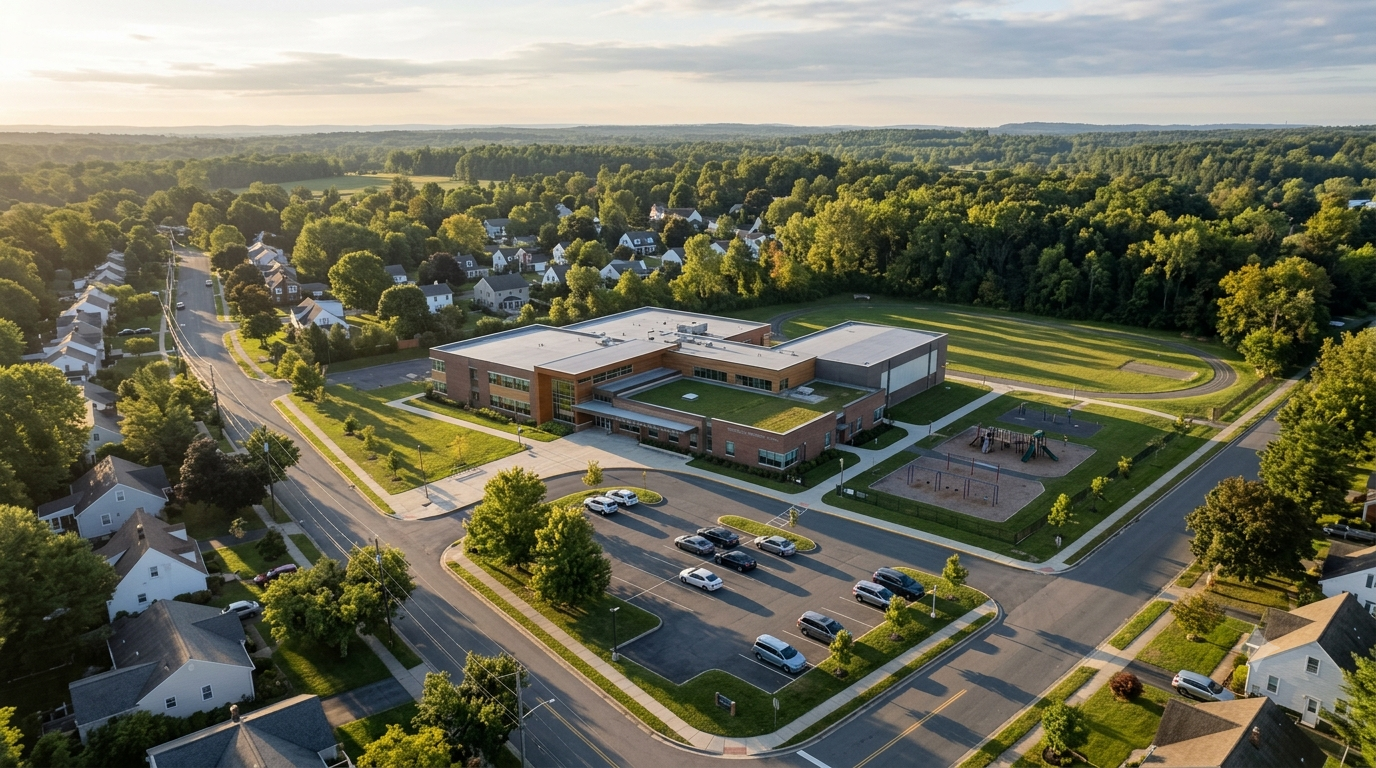
The recent tragedy involving a teen shooter in an Oregon elementary school has once again brought the critical discussion around school safety measures to the forefront, challenging communities worldwide to reflect on how best to protect their most vulnerable. The harrowing incident, which saw a teacher and three innocent children lose their lives before a courageous bystander intervened, serves as a stark reminder of the persistent threat of violence in places meant to be sanctuaries of learning and growth. While the immediate shock and grief are profound, this event compels us all to look beyond the headlines and understand the deeper implications for school safety, not just in the United States, but across the globe.
The Unfolding Crisis and the Call for School Safety Measures
The details emerging from the Oregon elementary school shooting paint a grim picture. A young life, barely out of childhood themselves, perpetrated an unimaginable act, leaving a trail of devastation and heartbreak. The swift, brave actions of a bystander who confronted and shot the attacker undoubtedly prevented further casualties, transforming an already horrific situation from even worse. This act of heroism, while commendable, underscores a troubling reality: that in some contexts, the last line of defense in a school shooting may fall to an ordinary citizen.
For communities around the world, the news of such an event resonates deeply. Regardless of geographic location, the safety of children in schools is a universal concern. Parents, educators, and policymakers everywhere grapple with the balance between creating open, nurturing educational environments and implementing robust security protocols. The recurring nature of these tragedies, whether it’s an active shooter in the US, a terrorist attack on a school in other parts of the world, or other forms of violence, highlights a shared vulnerability and a pressing need for effective strategies.
The Human Cost: Beyond the Headlines
While statistics and news reports can convey the facts, they often fall short of capturing the profound human cost of such violence. Beyond the immediate victims and their families, who face unimaginable grief and a lifetime of healing, the ripple effects spread wide. Teachers, who dedicate their lives to nurturing young minds, are left with deep psychological trauma. Fellow students, witnesses to or simply aware of such an event, carry the burden of fear and anxiety. First responders, often first on the scene, endure immense stress and emotional toll. The entire community is left to pick up the pieces, grappling with questions of ‘why’ and ‘how to prevent it again?’
Globally, the impact of school violence is a shared sorrow. Whether it’s the threat of armed intruders, bullying, or other forms of aggression, children’s sense of security is vital for their development. When that security is shattered, the long-term consequences for mental health, academic performance, and societal trust can be devastating. This is why discussions around comprehensive school safety measures are not just local issues but conversations of global importance.
A Community’s Response and the Role of Bystanders
In the face of such horror, communities often rally together. The outpouring of support for the victims, their families, and the school community in Oregon is a testament to human resilience and empathy. Memorials, vigils, and fundraisers become crucial expressions of solidarity, helping individuals process grief and begin the long journey of healing. These acts of collective compassion are vital in strengthening the fabric of society in the aftermath of trauma.
The role of the bystander in the Oregon incident sparks a complex conversation. While their intervention was heroic and life-saving, it also raises questions about societal reliance on such last-ditch efforts. Ideally, robust security systems and proactive measures should prevent such situations from escalating to this point. However, in the absence of perfect prevention, empowering individuals with knowledge and the courage to act can make a critical difference. This includes training for staff and even older students on emergency protocols, first aid, and recognizing warning signs, fostering a culture of vigilance and preparedness.
Proactive Steps: Enhancing School Safety Measures
Moving forward, the focus must shift from reactive responses to proactive, comprehensive strategies to enhance school safety. These are not simple solutions, but multi-faceted approaches that involve infrastructure, policy, mental health, and community engagement. Here are five essential areas for consideration:
- Physical Security Enhancements: This includes controlled access points, reinforced doors and windows, surveillance cameras, and clear visitor management systems. The goal is to create layers of security that deter potential threats and slow down intruders, allowing more time for response.
- Robust Mental Health Support and Early Intervention: Many incidents of school violence are linked to individuals struggling with mental health issues. Providing accessible mental health services, counseling, and programs that teach emotional regulation and conflict resolution can identify at-risk individuals early and offer support before a crisis develops. This is crucial for prevention.
- Comprehensive Emergency Preparedness and Training: Regular drills for active shooter situations, fire, and other emergencies are vital. Staff and students need to know what to do, where to go, and how to react under pressure. This includes ‘run, hide, fight’ protocols adapted for different age groups and contexts.
- Fostering a Culture of Reporting and Trust: Creating an environment where students and staff feel safe and encouraged to report suspicious behavior, threats, or concerns about a peer’s well-being is paramount. Anonymous reporting systems, clear communication channels, and swift, non-punitive responses to reports can help avert tragedies.
- Community Engagement and Collaboration: School safety is not solely the responsibility of the school. It requires collaboration with parents, local law enforcement, mental health professionals, and community leaders. Shared information, joint training exercises, and open dialogues can build a stronger, more resilient safety net for children.
These measures, while varying in implementation details across different countries and contexts, represent a universal commitment to creating safe learning environments. From fortified campuses in some regions to community-led vigilance in others, the underlying principle remains the same: protecting our children.
Conclusion
The Oregon elementary school shooting is a tragic reminder that the threat of violence can shatter the peace of any community. Yet, it also highlights the resilience of the human spirit and the power of collective action. By earnestly examining and implementing comprehensive school safety measures, and by fostering communities where vigilance, mental health support, and collaboration are prioritized, we can work towards a future where schools are truly safe havens for every child. This is a challenge that demands our ongoing attention, empathy, and unwavering commitment, for the sake of generations to come.
Source: original article