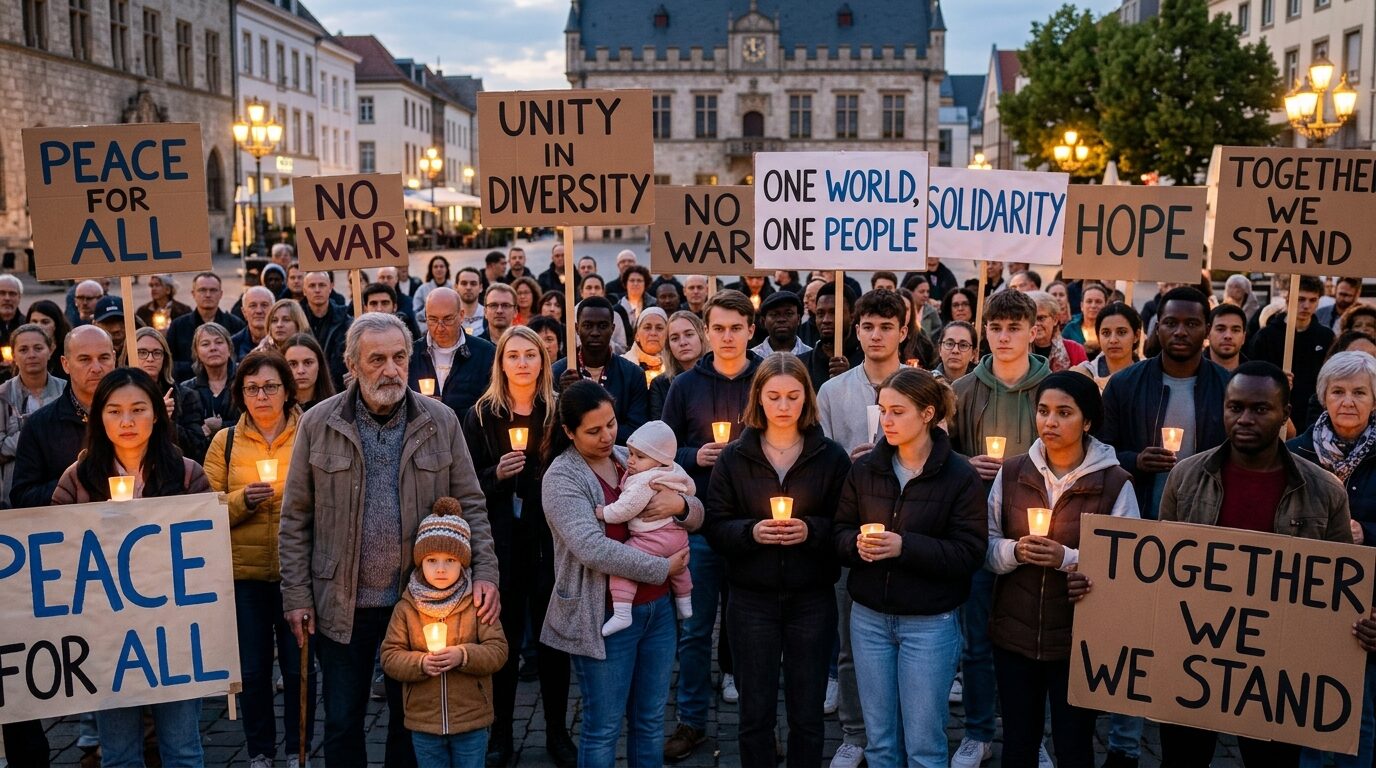
The recent Seattle festival shooting, a tragic incident near the city’s iconic Space Needle, has once again brought the critical issue of public safety at large gatherings into sharp focus. What began as a vibrant celebration of food and culture, the “Bite of Seattle” festival, quickly descended into chaos and profound sorrow when gun violence erupted. This devastating event, which left three individuals dead and four others wounded, including a young toddler, serves as a grim reminder of the pervasive challenges communities face in safeguarding their public spaces. For a global audience, this tragedy isn’t merely a local Seattle story; it echoes concerns about safety, security, and the preservation of communal joy in cities around the world.
The Unfolding Tragedy: A Community Shaken
The “Bite of Seattle” festival, an annual summer tradition drawing thousands to Seattle Center, was abruptly shattered by the sound of gunfire. Reports from authorities confirmed that an altercation escalated into a deadly shooting, resulting in multiple casualties. The immediate aftermath was a scene of frantic escape, emergency response, and profound disbelief. Eyewitnesses described a sudden shift from festive enjoyment to terror as people scattered, seeking cover amidst the food stalls and attractions. The swift actions of law enforcement led to the apprehension of one suspect, with ongoing investigations to fully understand the motives and circumstances surrounding the incident. Beyond the immediate victims, countless attendees, many of whom were families with children, experienced unimaginable trauma, forever altering their memories of a beloved community event. The incident highlighted the rapid and unpredictable nature of such violence, leaving a city grappling with grief and a renewed sense of vulnerability.
Why the Seattle Festival Shooting Resonates Globally
While geographically centered in the Pacific Northwest, the impact of the Seattle festival shooting extends far beyond its borders, resonating with a broad international audience. Mass shootings and acts of violence in public spaces have become an unfortunate global phenomenon, touching major cities and smaller towns alike. Whether it’s a market square in Europe, a concert venue in Asia, or a festival in North America, the concept of a “safe public gathering” is increasingly under scrutiny. This Seattle incident underscores a universal concern: how do we protect the very places where communities come together to celebrate, share, and connect? The incident raises crucial questions about event security, gun control debates, mental health awareness, and the underlying societal pressures that can contribute to such tragedies. For international travelers, event organizers, and citizens worldwide, this event serves as a stark reminder that no community is immune to the potential for such devastating occurrences, prompting a global discussion on prevention and preparedness.
The Psychological Ripple Effect
The immediate physical casualties of a mass shooting represent only one aspect of its devastating toll. The psychological ripple effect can be far-reaching and long-lasting, impacting not only direct witnesses and survivors but also the wider community and even a global audience observing from afar. For those present at the Seattle festival, the trauma of witnessing violence, fleeing for safety, and fearing for their lives will undoubtedly leave deep emotional scars. Symptoms of post-traumatic stress, anxiety, and depression can manifest, requiring extensive support and healing. Beyond the individual level, such events erode public trust in safety and security, fostering a pervasive sense of unease. The vibrant energy of public gatherings can be replaced by apprehension, altering social behaviors and limiting participation in community events. This collective trauma underscores the urgent need for comprehensive mental health resources and community-led initiatives to support healing and resilience in the aftermath of such devastating events.
Strengthening Our Defenses: A Call for Enhanced Security
In the wake of incidents like the Seattle festival shooting, there’s an inevitable and necessary focus on enhancing security measures to prevent future tragedies. Event organizers and local authorities worldwide are continually tasked with the complex challenge of balancing robust security protocols with the desire to maintain an open, welcoming atmosphere at public events. This often involves a multi-layered approach, including visible law enforcement presence, advanced surveillance technologies, controlled entry points with bag checks and metal detectors, and clear emergency exit strategies. However, effective security extends beyond physical barriers. It also encompasses comprehensive threat assessments, intelligence sharing between agencies, and rigorous training for staff and volunteers on emergency response protocols. The goal is not to transform every joyous gathering into a fortress, but rather to implement intelligent, adaptable security measures that deter potential threats while allowing communities to thrive safely.
The Role of Community and Awareness
While enhanced security measures are vital, the role of community engagement and collective awareness cannot be overstated in preventing violence and fostering safer public spaces. Initiatives like “See Something, Say Something” empower individuals to report suspicious activities, creating a network of vigilance. Education on identifying signs of distress or potential threats, coupled with accessible mental health resources, addresses underlying issues that can contribute to violence. Furthermore, fostering a strong, cohesive community where individuals feel a sense of belonging and support can be a powerful deterrent. When neighbors look out for one another, and when there are avenues for addressing grievances or seeking help, the likelihood of individuals resorting to violence can be reduced. Ultimately, safety in public spaces is a shared responsibility, requiring a collaborative effort from law enforcement, event organizers, policymakers, and every member of the community.
Moving Forward: Rebuilding Trust and Resilience
The path forward after a tragedy like the Seattle festival shooting is complex, requiring a multifaceted approach focused on both immediate recovery and long-term prevention. Rebuilding trust within a shaken community involves compassionate support for victims and their families, transparent communication from authorities, and visible commitments to enhancing safety. Memorializing those lost and supporting survivors through their healing journeys are crucial steps in the collective grieving process. Beyond this, sustained efforts to address the root causes of violence – including societal inequities, mental health crises, and access to weapons – are paramount. Communities demonstrate immense resilience in the face of adversity, often coming together to support one another and advocate for change. The hope is that through collective action, informed dialogue, and a shared commitment to peace, cities like Seattle and communities worldwide can emerge stronger, safer, and more united, ensuring that vibrant public gatherings can once again be places of unbridled joy and connection.
The Seattle festival shooting serves as a poignant and painful reminder of the fragility of peace in our public spaces. While the scars of this event will undoubtedly linger, it also ignites a crucial global conversation about how we can collectively safeguard our communities, strengthen security measures, and foster environments where celebration can truly flourish without fear. It is a call to action for vigilance, empathy, and an unwavering commitment to building a safer world for all.
Source: original article