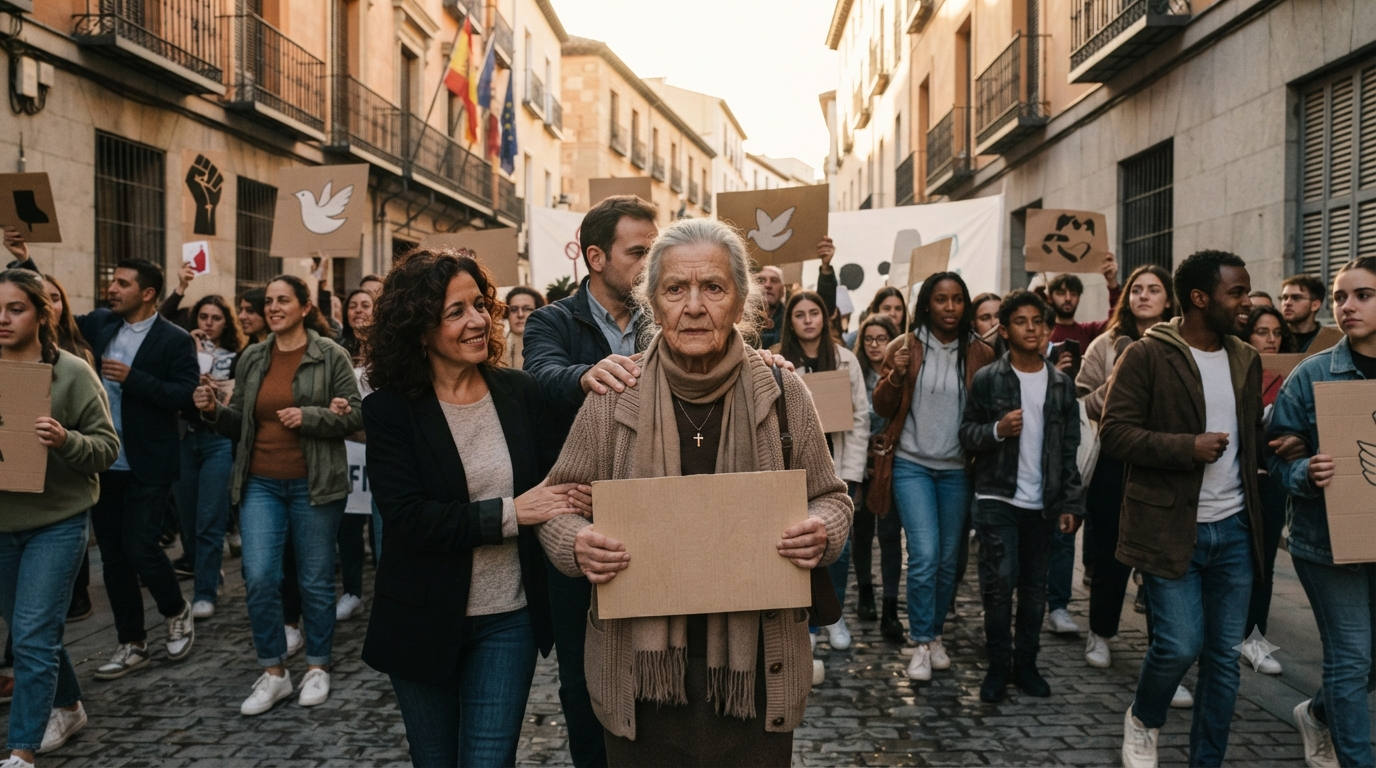
The recent heart-wrenching eviction of an 87-year-old woman in Madrid has shone a harsh spotlight on the escalating Madrid housing crisis, a complex issue with profound human implications that reverberates far beyond Spain’s borders. Maricarmen, a beloved figure in her community, was forced from the home she had lived in for 70 years, a move that ignited a firestorm of protests across Spain and drew international attention. This isn’t merely a local dispute; it’s a poignant illustration of a global challenge where the fundamental right to housing clashes with market forces, speculation, and socio-economic shifts. Understanding what’s happening in Madrid offers crucial insights into the housing struggles many cities face today.
The Human Face of a Systemic Problem
Maricarmen’s story is a powerful testament to the human cost of a housing system under immense pressure. Her eviction wasn’t an isolated incident but a flashpoint, symbolizing the plight of countless residents struggling to maintain their homes in increasingly unaffordable urban environments. For seven decades, her apartment wasn’t just a place to live; it was the bedrock of her life, a repository of memories, and an integral part of her neighborhood’s fabric. The forced removal of an elderly, vulnerable individual from such deeply rooted surroundings sparked immediate and widespread outrage, highlighting a perceived injustice that transcends legal technicalities.
The protests that followed in Madrid, often involving activists, neighbors, and even celebrities, underscored a collective frustration. They weren’t just protesting Maricarmen’s specific case but the broader trends that make secure housing a luxury rather than a given. This public outcry forced the Spanish government to acknowledge the urgency of the situation, with Prime Minister Pedro Sánchez vowing to push through housing decrees designed to offer greater protection. Maricarmen’s eviction became a powerful, undeniable symbol, forcing a conversation about who our cities are truly for.
Unpacking the Madrid Housing Crisis: 5 Core Factors
To fully grasp the gravity of the situation in Madrid, we need to delve into the multi-faceted issues that have converged to create this crisis. It’s a perfect storm of economic, social, and policy-related factors:
1. The Lure of Tourism and Short-Term Rentals
- Gentrification Accelerator: Madrid has become a global tourist hotspot. While beneficial for the economy, this popularity fuels gentrification. Historic neighborhoods, once affordable, are now prime targets for conversion into tourist apartments.
- Airbnb Effect: The proliferation of platforms like Airbnb has incentivized landlords to convert long-term residential rentals into more lucrative short-term tourist accommodations. This drastically reduces the available housing stock for permanent residents, driving up traditional rental prices.
2. Skyrocketing Property Prices and Investment Funds
- Foreign Investment Boom: Madrid’s attractive property market has drawn significant foreign investment, including large institutional funds. These entities often buy up entire blocks or buildings, renovate them, and then re-rent or sell at vastly inflated prices, far beyond what local residents can afford.
- Speculation: The perception of Madrid real estate as a safe and profitable investment encourages speculation, further detaching housing prices from local economic realities.
3. Stagnant Wages vs. Soaring Rents
- Income Disparity: While property values and rental costs have surged, average wages for many Madrileños have not kept pace. This creates an ever-widening gap, making it increasingly difficult for young people, families, and low to middle-income earners to afford to live in the city where they work and grew up.
- Erosion of Purchasing Power: A significant portion of residents’ income is consumed by housing costs, leaving less for other necessities and hindering economic mobility.
4. Insufficient Affordable Housing Supply
- Lack of Public Housing: Decades of underinvestment in social and public housing initiatives have left Madrid with a critical shortage of genuinely affordable options. The market is largely dominated by private developers focused on maximizing profit.
- Slow Development: Even when affordable housing projects are planned, they often face bureaucratic hurdles, funding challenges, and slow execution, failing to meet the urgent demand.
5. Inadequate Regulatory Framework
- Outdated Rental Laws: Existing rental laws have often been criticized for not adequately protecting tenants from aggressive landlords or disproportionate rent increases.
- Limited Rent Control: Until recently, effective rent control measures were largely absent, allowing landlords significant freedom to raise prices in line with market demand, regardless of affordability for existing tenants.
A Global Echo: Why Madrid’s Crisis Matters to Everyone
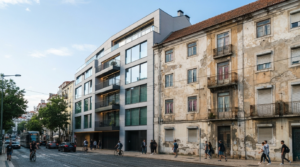
The situation in Madrid is far from unique. It mirrors housing crises unfolding in major cities worldwide, from London and New York to Vancouver and Sydney. The underlying dynamics – rapid urbanization, global capital flows, insufficient social housing, and the rise of the sharing economy – are universal. Madrid serves as a powerful case study, demonstrating how these forces can converge to erode the stability and character of urban communities.
When long-term residents, especially the elderly and those on fixed incomes, are priced out of their homes, it leads to a loss of community identity, increased social inequality, and even heightened homelessness. Cities risk becoming homogeneous playgrounds for the wealthy and tourists, losing the very diversity and cultural richness that made them attractive in the first place. The protests in Madrid are a stark reminder that housing is not just an economic commodity but a fundamental human right and a cornerstone of social justice.
The Path Forward: Policy and Protest
The outrage surrounding Maricarmen’s eviction has undeniably accelerated political action. Prime Minister Sánchez’s promise to fast-track housing decrees indicates a recognition of the problem at the highest levels. Proposed solutions often include strengthening tenant protections, implementing stricter rent controls, regulating short-term rental platforms, increasing the stock of public and social housing, and imposing taxes on vacant properties to disincentivize speculation.
However, real change requires more than just legislation. It demands a societal shift, a re-evaluation of how we view housing and urban development. Citizen activism, like the protests seen in Madrid, plays a crucial role in keeping the issue on the public agenda and holding politicians accountable. It’s a testament to the power of collective action in advocating for equitable and sustainable urban futures.
Conclusion
The plight of Maricarmen and the widespread protests it sparked are a wake-up call, not just for Spain but for cities across the globe. The Madrid housing crisis is a complex, deeply human issue that challenges our understanding of progress and equity. As urban populations continue to grow, finding solutions that balance economic development with the fundamental right to affordable, secure housing will remain one of the most pressing challenges of our time. Madrid’s struggle serves as a powerful reminder that behind every statistic and policy debate, there are real people and communities fighting to hold onto their homes and their future.
Source: original article