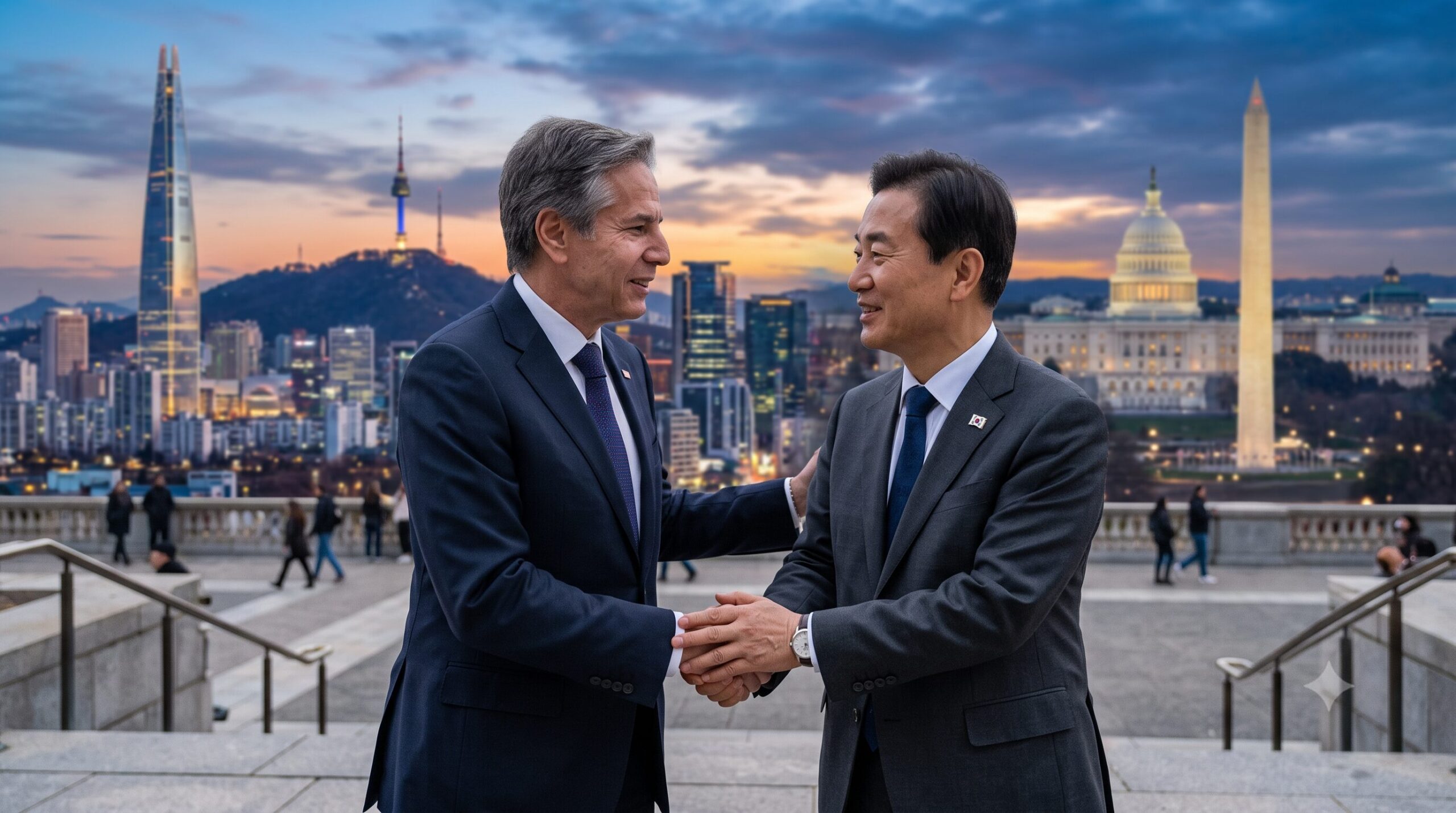
The intricate world of US-Korea business often involves complex relationships, but a recent revelation involving a $2 million payment to former President Trump by a South Korean company facing a trade investigation has certainly added a new layer of intrigue. For those of us fascinated by South Korea’s burgeoning economy, its global reach, and the nuanced interplay of international politics and commerce, this news offers a compelling snapshot into the realities of doing business on the world stage. It’s a story that goes beyond mere headlines, touching upon the very fabric of transparency, influence, and the perception of corporate integrity.
The $2 Million Question: Unpacking the Revelation
At the heart of the recent headlines is the disclosure that former President Donald Trump received a substantial $2 million payment from a South Korean company. What makes this particularly noteworthy is the timing and context: the payment occurred while the South Korean entity in question was reportedly under a significant trade investigation. For any company, especially one operating internationally, facing a trade investigation is a serious matter, potentially impacting market access, financial stability, and global reputation. When such a situation is linked to a payment to a high-profile political figure, especially one who has held significant power over international trade policy, it naturally raises eyebrows.
This isn’t just about a financial transaction; it’s about the optics and potential implications. In international business, the perception of fairness, impartiality, and adherence to ethical standards is paramount. Any hint of a quid pro quo or undue influence can erode trust, not just in the specific entities involved, but potentially in the broader framework of international trade relations. For a global audience interested in South Korea, this incident prompts questions about the operational environment for Korean companies abroad and the standards to which they are held.
Understanding the Broader Context of US-Korea Business Relations
To truly grasp the significance of this news, it’s essential to place it within the wider narrative of US-Korea business relations. The United States and South Korea share a robust economic partnership, characterized by significant trade volumes, mutual investment, and a history of diplomatic cooperation that spans decades. The Korea-U.S. Free Trade Agreement (KORUS FTA), for instance, has been a cornerstone of this relationship, facilitating easier trade in goods and services and fostering deeper economic integration. Key sectors like technology, automotive, manufacturing, and defense have seen substantial collaboration and competition between firms from both nations.
Korean conglomerates, known as chaebols, are global powerhouses with vast interests and significant influence. Their operations often involve complex legal and regulatory landscapes across multiple countries. While these companies are celebrated for their innovation and economic contributions, they also operate under intense scrutiny, particularly when their dealings intersect with political figures or regulatory challenges. The very scale of their operations means that any perceived misstep can have amplified repercussions on their brand and the country’s image.
Implications for Korean Companies and Global Perception
The immediate aftermath of such revelations often includes heightened scrutiny from media, regulators, and the public. For the specific South Korean company involved, this could mean intensified oversight of the trade investigation, potential reputational damage, and a loss of investor confidence. Beyond that, the broader implications for other Korean companies operating internationally are also a concern. In an increasingly interconnected and transparent world, ethical conduct is not just a legal requirement but a fundamental pillar of sustainable business growth and global acceptance.
International audiences, including potential investors and consumers, often look for signals of good governance and ethical practices when engaging with foreign markets. News items like this, while not necessarily indicative of widespread issues, can sometimes cast a shadow that requires concerted efforts from the business community and government to counteract. It underscores the critical need for robust compliance frameworks, transparent reporting, and unwavering commitment to ethical dealings to maintain a positive global standing.
The Role of Transparency and Ethics in International Trade
This incident serves as a powerful reminder of the paramount importance of transparency and ethics in international trade. Global commerce thrives on trust, and trust is built on a foundation of clear rules, fair play, and accountability. When payments are made to political figures, especially during sensitive periods like a trade investigation, it inevitably invites questions about motives, influence, and the integrity of the process.
Many countries, including the U.S. and South Korea, have stringent laws against bribery and undue influence, such as the Foreign Corrupt Practices Act (FCPA) in the United States. These laws are designed to ensure that business is conducted fairly and without corruption. Companies that operate globally must navigate these complex legal frameworks while also upholding their own internal ethical standards. For a country like South Korea, which has worked hard to establish itself as a modern, transparent, and reliable economic partner, such incidents highlight the ongoing challenge of maintaining the highest standards in an intricate global environment.
Conclusion
The revelation of a $2 million payment from a South Korean company to former President Trump amidst a trade investigation is more than just a fleeting news story; it’s a moment that prompts deeper reflection on the intricacies of international business, political influence, and corporate ethics. For anyone interested in South Korea, its economy, and its place on the global stage, this event underscores the constant vigilance required to uphold transparency and integrity. As the world watches, the ongoing narrative will undoubtedly offer further insights into how international relations, business practices, and ethical considerations continue to shape the complex landscape of global commerce.
Source: original article