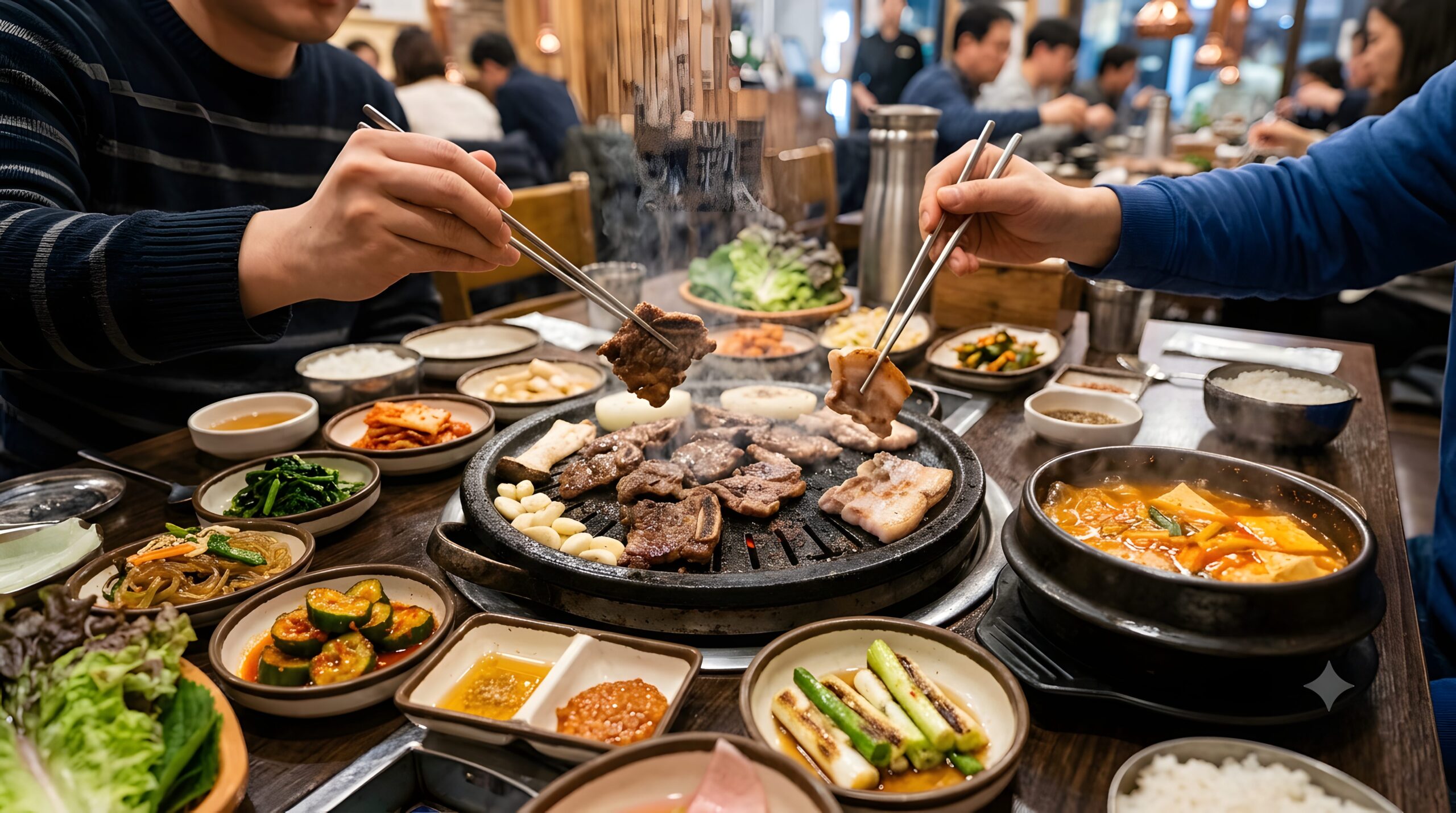
In recent years, the world has fallen head over heels for all things Korean, from K-pop beats and compelling K-dramas to groundbreaking cinema and innovative beauty trends. But perhaps one of the most universally adored exports from the Land of the Morning Calm is its incredible cuisine. The news of KPOT firing up Alexandria with an all-you-can-eat Korean BBQ and Hot Pot experience isn’t just a local restaurant opening; it’s a testament to the surging global appetite for authentic Korean flavors and the unique communal dining culture that comes with them. This growing trend offers a fantastic Korean BBQ experience that brings people together over sizzling grills and bubbling broths, creating memories as much as it satisfies hunger.
The Global Rise of K-Food: More Than Just a Meal
The Hallyu, or Korean Wave, has undeniably reshaped popular culture worldwide. What started with music and television has gracefully spilled over into gastronomy, introducing millions to the rich, diverse, and often spicy world of K-food. Korean cuisine isn’t just about sustenance; it’s an experience, a social event, and a form of cultural expression. Dishes like kimchi, bibimbap, and tteokbokki have become household names in many parts of the world, but it’s the interactive and communal nature of Korean BBQ and hot pot that truly captures hearts and imaginations.
For an international audience fascinated by South Korea, trying its food is often the most accessible and enjoyable way to connect with the culture. It’s an adventure for the taste buds, a journey into new flavors and textures, and a chance to participate in dining rituals that are deeply ingrained in Korean society. From the careful selection of marinated meats to the art of wrapping ssam (lettuce wraps) and the shared joy of a bubbling hot pot, these dining styles offer a window into the warmth and hospitality of Korean people.
What Makes the Korean BBQ Experience So Special?
The true magic of the Korean BBQ experience lies in its interactive nature. Unlike traditional restaurants where food arrives pre-cooked, KBBQ puts you in the driver’s seat. Each table is equipped with a built-in grill, allowing diners to cook their own cuts of meat to perfection. This isn’t just a gimmick; it’s a fundamental part of the dining culture, fostering conversation and shared activity.
- The Meats: The star of the show, of course, is the meat. You’ll find a tantalizing array, from thinly sliced, marinated bulgogi (sweet and savory beef) and tender galbi (marinated short ribs) to thick, unmarinated samgyeopsal (pork belly) that crisps up beautifully on the grill. Each cut offers a different texture and flavor profile, often accompanied by various marinades that infuse them with garlic, soy, sesame, and fruit juices.
- Banchan Galore: No Korean meal is complete without banchan – an assortment of small, often refillable, side dishes. Think spicy kimchi, refreshing pickled radishes, seasoned spinach, savory potato salad, and more. These aren’t just appetizers; they’re essential accompaniments that cleanse the palate, add contrasting flavors, and balance the richness of the meat.
- The Art of the Ssam: A core tradition is making ssam. You take a piece of lettuce or perilla leaf, add a slice of grilled meat, a dollop of ssamjang (a spicy, savory dipping sauce), maybe some grilled garlic or kimchi, wrap it up, and enjoy in one bite. It’s a customizable, hands-on approach that adds layers of flavor and texture to every mouthful.
- Communal Dining: KBBQ is inherently social. It’s designed for sharing, laughter, and leisurely conversation. The act of cooking together, passing dishes, and making ssams for each other builds camaraderie and makes the meal much more than just eating.
Diving into the Hot Pot Tradition
Complementing the sizzle of Korean BBQ is the comforting warmth of hot pot. While distinct, many establishments, like KPOT, now offer both, allowing diners to enjoy the best of both worlds. Hot pot, or jeongol in Korean, involves a simmering pot of flavorful broth placed at the center of the table. Diners then select a variety of raw ingredients to cook in the broth.
The beauty of hot pot lies in its versatility and customizability. You can choose from an array of broths – spicy kimchi, rich mushroom, savory bone broth, or even a clear, refreshing vegetable base. Then, you add your choice of thinly sliced meats (beef, lamb, pork), fresh seafood (shrimp, mussels, squid), an abundance of vegetables (napa cabbage, mushrooms, tofu, various greens), and different types of noodles (udon, glass noodles). As ingredients cook, they infuse the broth with their flavors, creating a delicious and endlessly evolving soup that warms the soul. It’s a perfect contrast to the smoky flavors of BBQ, offering a lighter, often more hydrating experience.
The All-You-Can-Eat (AYCE) Phenomenon
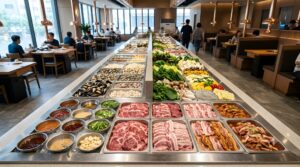
The all-you-can-eat model has taken the Korean BBQ and hot pot scene by storm, and for good reason. For diners, it offers incredible value and the freedom to explore. Imagine being able to sample every cut of meat, try all the different banchan, and experiment with various hot pot ingredients without worrying about the bill adding up. It’s an adventurous eater’s dream, allowing for endless permutations and discoveries.
This format is particularly appealing to groups, as everyone can eat to their heart’s content, trying new things and returning to their favorites. It transforms a meal into a leisurely feast, encouraging diners to linger, chat, and savor the experience without the pressure of ordering specific quantities. For many, it’s the ultimate way to fully immerse themselves in the abundance and generosity characteristic of Korean dining culture.
KPOT: A New Hub for K-Food Lovers
The arrival of establishments like KPOT in places like Alexandria is a clear indicator of K-food’s global footprint. These restaurants serve as more than just places to eat; they become cultural hubs, introducing new patrons to the joys of Korean dining and offering a beloved taste of home to those familiar with it. They create spaces where communities can gather, celebrate, and connect over delicious food.
KPOT, like many modern Korean BBQ and hot pot restaurants, often blends traditional flavors with contemporary dining aesthetics, making the experience accessible and appealing to a broad audience. It’s about combining efficiency with authenticity, ensuring that the core elements of Korean culinary tradition are preserved while offering a comfortable and exciting environment for diners.
Beyond the Plate: Cultural Immersion
Dining at a Korean BBQ and hot pot restaurant is a multi-sensory journey. The sizzle of meat on the grill, the fragrant steam rising from the hot pot, the vibrant colors of banchan, and the lively chatter of fellow diners all contribute to an atmosphere that feels distinctly Korean. It’s an opportunity for cultural immersion, even if you’re thousands of miles from Seoul.
For those interested in South Korea, these culinary experiences offer a tangible link to the country’s heritage and modern lifestyle. It’s a chance to understand the importance of food in Korean family life, social gatherings, and celebrations. It’s a taste of hospitality, a lesson in sharing, and an exploration of flavors that are both complex and comforting.
Embrace the Sizzle and Simmer!
The global fascination with South Korea continues to grow, and its food scene is undoubtedly one of its most delicious ambassadors. Whether you’re a long-time fan of K-food or a curious newcomer, the all-you-can-eat Korean BBQ and hot pot experience offers an unbeatable opportunity to dive deep into a vibrant culinary tradition. From the sizzling meats to the comforting broths and the endless array of banchan, it’s a feast for all senses that promises not just a meal, but a memorable journey into the heart of Korean culture. So, gather your friends and family, prepare your chopsticks, and get ready to embrace the warmth and flavor of a true Korean feast!
Source: original article