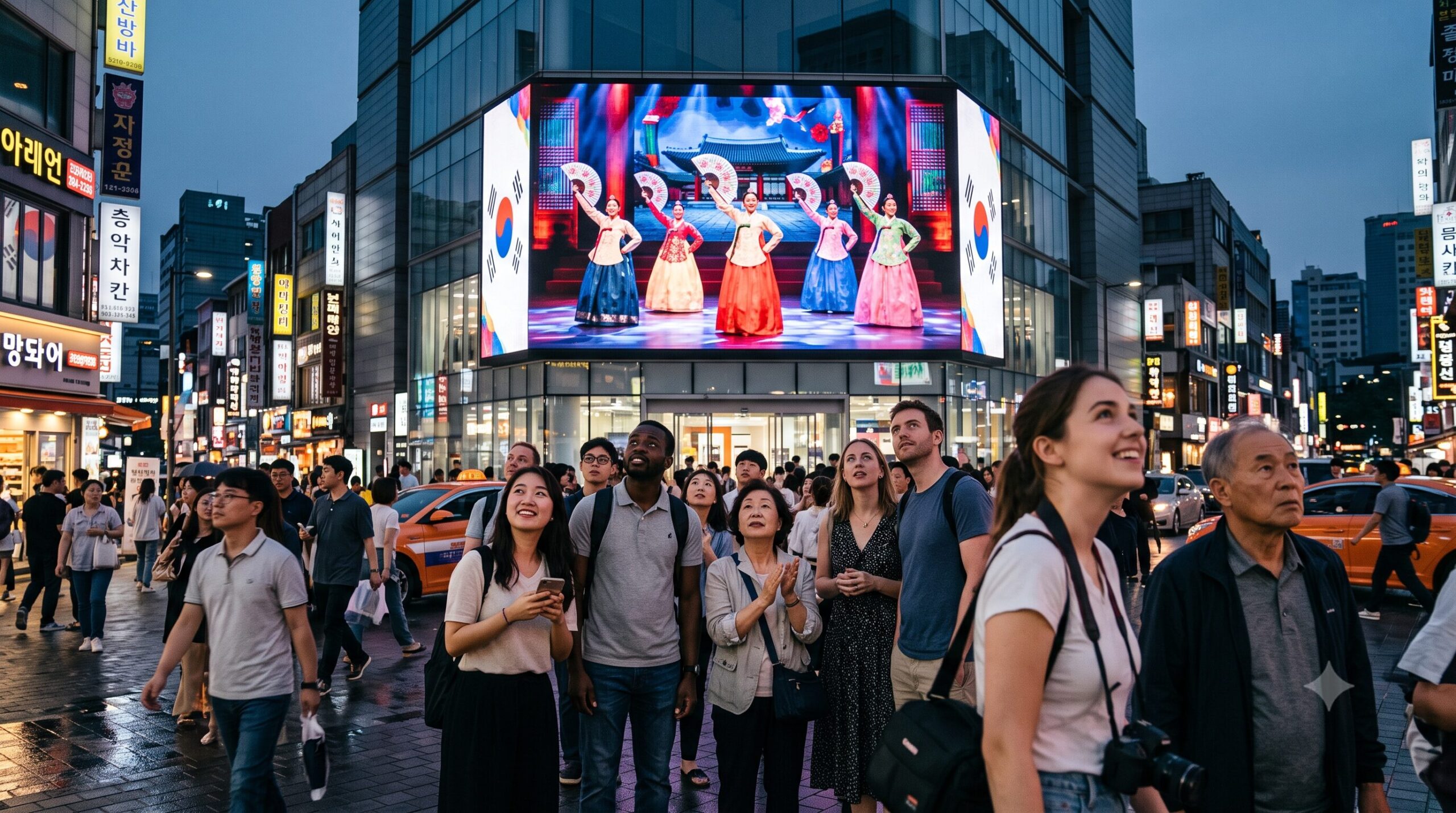
The recent controversy surrounding the Chinese film ‘Kung Fu Soccer’ has once again highlighted the critical importance of Korean cultural sensitivity in global media portrayals. As South Korea’s cultural influence, often termed the ‘Korean Wave’ or Hallyu, continues to sweep across continents, the world’s fascination with its unique identity grows. However, this global spotlight also brings increased scrutiny, making accurate and respectful representation more vital than ever. When cultural nuances are overlooked or, worse, intentionally misrepresented, the backlash can be swift and far-reaching, impacting not just the creators but also international perceptions and relationships.

The ‘Kung Fu Soccer’ Backlash: What Happened?
The core of the controversy stems from the Chinese film ‘Kung Fu Soccer,’ which reportedly features a portrayal of a Korean women’s football team that has been deemed disrespectful and stereotypical by Korean audiences and media. While specifics of the film’s depiction remain under wraps for many international viewers, the outrage indicates a deep-seated offense over how the team, and by extension, Korean women and national identity, are presented. Such portrayals, especially when they lean into caricature or outdated tropes, can be particularly grating for a nation that has worked tirelessly to build its modern image on the global stage.
For many, this isn’t just about a football team; it’s about the broader perception of Korean women in media and the country’s national pride. Sports, particularly international competitions, often serve as powerful symbols of national strength and unity. To see a national team, especially one representing women in a sport that has gained significant traction and respect, depicted in a potentially mocking or demeaning light, can feel like a direct insult to the nation’s collective spirit and achievements.
Why This Strikes a Nerve: The Deep Roots of Korean Identity
Understanding the intensity of the reaction requires a look into South Korea’s historical and cultural context. Korea is a nation with a long and rich history, marked by periods of immense hardship, including colonial rule, war, and rapid, often challenging, modernization. This tumultuous past has forged a strong sense of national identity and a fierce pride in its sovereignty and cultural heritage. Koreans are acutely aware of how they are perceived by the outside world, especially by neighboring countries with whom they share complex historical ties.
The Weight of Representation
Every cultural product, from K-dramas to films to sports teams, carries the weight of representing this identity. When an external production, particularly from a country with historical and geopolitical significance like China, misrepresents or trivializes aspects of Korean culture, it can be interpreted not just as ignorance, but as a deliberate slight. This is particularly true for depictions that might play into existing stereotypes or historical narratives that Koreans have actively sought to overcome.

Understanding Korean Cultural Sensitivity: Why It Matters
So, what exactly constitutes Korean cultural sensitivity? It’s a multi-faceted concept that extends beyond mere politeness. It involves an appreciation for the historical context, the nuances of social hierarchy, the importance of collective identity, and the deep respect for elders and traditions, even as the country embraces modernity. For international creators, this means doing thorough research and understanding the subtle cues that can make or break a portrayal.
- Historical Context: Understanding Korea’s colonial past and its division is crucial. Any content that seems to trivialize these experiences or align with historical oppressors can be highly offensive.
- National Symbols: The Korean flag (Taegeukgi), national anthem, national flower (Mugunghwa), and even specific historical figures are deeply revered. Misuse or disrespect of these symbols is met with strong condemnation.
- Gender Representation: While Korean society is rapidly evolving, there are still sensitivities around the portrayal of women, especially in roles that might reinforce outdated stereotypes or appear to demean their accomplishments. Women’s sports teams, in particular, symbolize strength and progress.
- Inter-Asian Relations: Given the complex history among East Asian nations, portrayals of one country by another are always viewed through a lens of historical and political context. What might seem like harmless humor in one context can be deeply offensive in another.
For global audiences interested in Korea, understanding these sensitivities helps to appreciate the depth of Korean culture and the reasons behind certain reactions. It transforms a simple news item into a lesson in cross-cultural understanding.
Beyond Borders: The Global Impact of Media Portrayals
In our interconnected world, a film produced in one country can quickly gain international attention, for better or worse. The ‘Kung Fu Soccer’ controversy isn’t confined to a China-Korea bilateral issue; it resonates globally. For international audiences who consume Korean dramas, K-pop, and films, this incident highlights the importance of accurate and respectful cultural representation across all media.
Poorly executed or insensitive portrayals can have several negative ripple effects:
- Perpetuating Stereotypes: They can solidify and spread harmful stereotypes about a nation or its people, making it harder for genuine understanding to flourish.
- Damaging Soft Power: For a country like South Korea, which has invested heavily in its ‘soft power’ through cultural exports, negative portrayals by others can undermine years of effort in building a positive global image.
- Straining Diplomatic Relations: While unlikely to cause a major diplomatic crisis on its own, a series of such incidents can chip away at good international relations, fostering distrust and resentment.
- Misinformation: Audiences unfamiliar with a culture might unknowingly absorb misrepresentations as fact, leading to skewed perceptions.
This incident serves as a crucial reminder to all content creators – filmmakers, writers, even influencers – of their responsibility to engage with cultures beyond their own with diligence and respect. The global village demands a global consciousness.
Lessons Learned: Navigating Cross-Cultural Storytelling
The ‘Kung Fu Soccer’ backlash offers valuable lessons for anyone involved in cross-cultural storytelling or simply consuming international media. It emphasizes the need for:
- Thorough Research: Go beyond surface-level understanding. Consult cultural experts, historians, and native speakers.
- Local Consultation: If depicting a specific culture, engage with individuals from that culture during the creative process. Beta-testers, cultural advisors, or focus groups can catch issues before they escalate.
- Empathy and Humility: Approach different cultures with an open mind and a willingness to learn, rather than imposing one’s own cultural framework.
- Mindful Humor: While humor is universal, its expression is highly cultural. What is funny in one context can be deeply offensive in another. Be especially cautious with satire or parody that targets national identities or marginalized groups.
- Accountability: When mistakes happen, acknowledge them genuinely and commit to learning from them.
Conclusion: Bridging Divides Through Respectful Engagement
The controversy surrounding ‘Kung Fu Soccer’ is more than just a passing news item; it’s a potent reminder of the complexities of international cultural exchange. For global citizens fascinated by South Korea, it underscores the importance of appreciating the country’s rich identity and the sensitivities that come with it. As media continues to blur geographical lines, the responsibility of creators to portray cultures with accuracy and respect becomes paramount. Ultimately, fostering genuine understanding and bridging cultural divides requires a commitment to thoughtful engagement, empathy, and a shared respect for the diverse narratives that make our world so rich and fascinating.
Source: original article