The latest reports indicate that South Korea inflation has accelerated to a 30-month high, a development that’s grabbing headlines and sparking conversations across the nation and beyond. For anyone with an interest in the Land of the Morning Calm – be it a future traveler, an expat, a business enthusiast, or simply a curious global citizen – understanding the nuances of this economic shift is crucial. While inflation might sound like a distant, abstract concept, its effects ripple through everyday life, influencing everything from the price of a delicious bowl of bibimbap to the cost of your next subway ride. Let’s delve into what this means for you and your connection to South Korea.
Understanding Accelerating South Korea Inflation
To grasp the significance of South Korea’s current economic climate, it’s important to look at the factors contributing to this surge in prices. Globally, economies are grappling with the aftermath of various disruptions, including supply chain bottlenecks, the ongoing war in Ukraine impacting energy and food prices, and a resurgence in demand post-pandemic. South Korea, as a major global trading nation heavily reliant on imports for energy and raw materials, is particularly susceptible to these external shocks.
The 30-month high signifies that the cost of goods and services is rising at a pace not seen in two-and-a-half years. This isn’t just a statistical anomaly; it reflects a tangible increase in the expenses faced by households and businesses. The Bank of Korea, like many central banks worldwide, is in a challenging position, balancing the need to tame inflation without stifling economic growth.
The Impact of South Korea Inflation on Daily Life
For residents, both local and foreign, the impact of rising prices is felt directly in their wallets. Daily routines become more expensive, necessitating adjustments in spending habits and budgeting.
Rising Food and Energy Costs
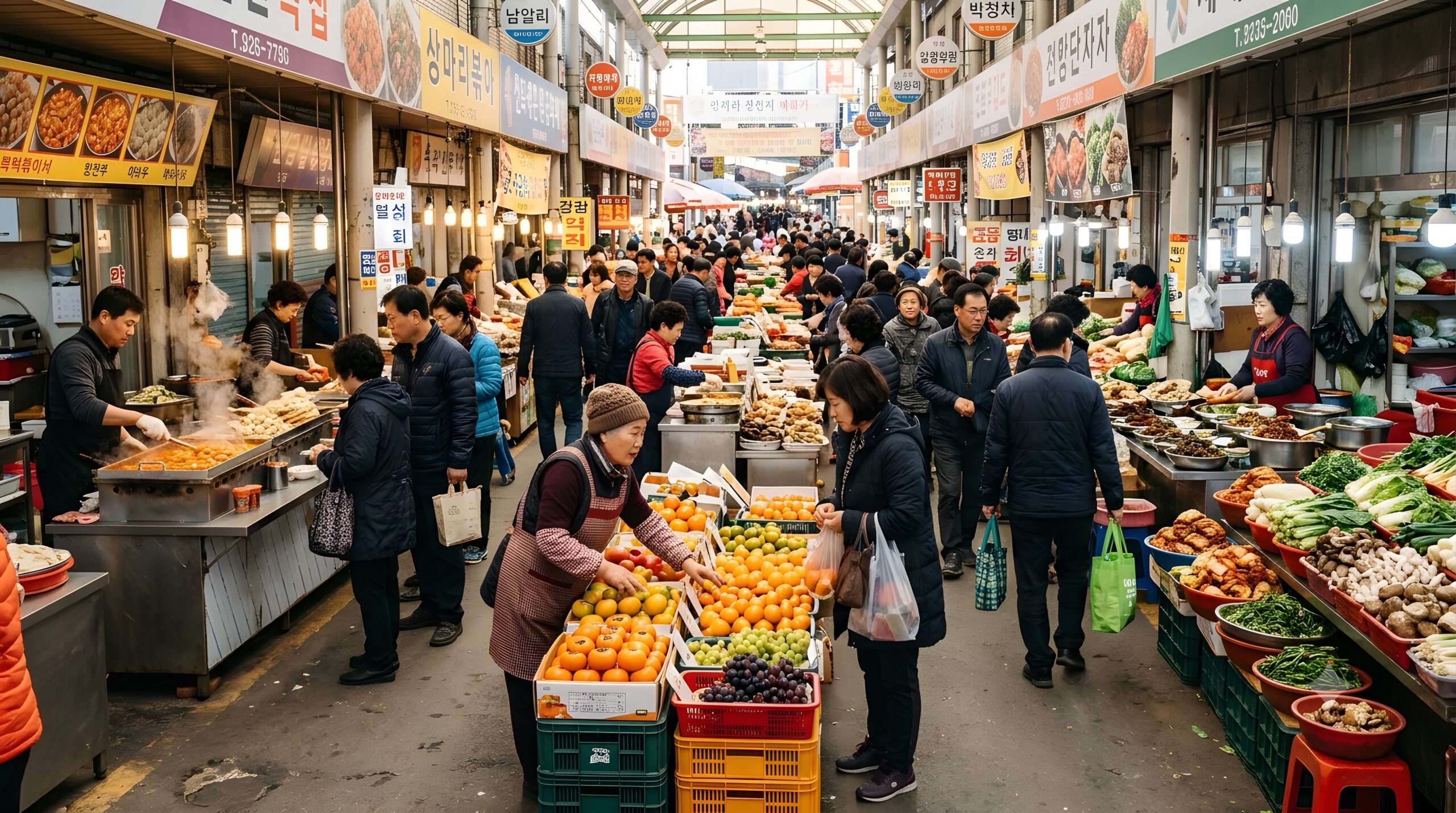
- Groceries: The cost of staples like fresh produce, meat, and processed foods has seen noticeable increases. This means a trip to the local supermarket or traditional market now yields less for the same amount of money.
- Dining Out: Restaurants, facing higher ingredient costs and potentially increased wages, often pass these expenses on to consumers. Your favorite Korean BBQ or casual eatery might now have slightly higher prices on the menu.
- Utilities: Energy prices, driven by global oil and gas markets, translate to higher electricity and heating bills for homes and businesses. This can be a significant concern, especially during the colder months.
Housing and Rent Pressures
While less volatile than daily consumables, the housing market can also feel the ripple effects. Increased construction costs, higher interest rates (as central banks fight inflation), and general economic uncertainty can put upward pressure on rents and property prices, particularly in major urban centers like Seoul.
What This Means for International Visitors and Expats
If you’re planning a trip to South Korea or are currently living there as an expat, understanding the implications of inflation is key to managing your budget and expectations.
Travel Budgets: Flights, Accommodation, and Local Transport
One of the most immediate impacts for visitors is on their travel budget. While airfare is largely influenced by global fuel prices and demand, local costs within Korea are directly affected by inflation:
- Accommodation: Hotels, guesthouses, and Airbnb rentals may adjust their prices upwards to cover their increased operational costs. Booking in advance and comparing options will become even more important.
- Local Transportation: Bus and subway fares, while often subsidized, can see incremental increases. Taxis will also reflect higher fuel costs. Fortunately, Korea’s public transport remains highly efficient and generally affordable compared to many Western nations, but it’s still an area to factor into your spending.

Dining and Entertainment: Eating Out and Tourist Activities
A significant part of the Korean experience involves savoring its incredible food scene and exploring its vibrant culture. Inflation can make these experiences slightly pricier:
- Restaurants and Cafes: As mentioned, dining out costs more. Budget-friendly options like street food might also see slight price bumps. However, the sheer variety and quality of Korean food mean you can still find excellent value.
- Attractions and Activities: Entrance fees to museums, palaces, theme parks, and cultural performances could also see modest increases. Look for combo tickets or free alternatives where possible.
Shopping and Souvenirs: General Consumer Goods
Whether you’re looking for K-beauty products, trendy fashion, or unique souvenirs, general consumer goods prices can also be affected. While major retailers might absorb some costs, smaller businesses are more likely to pass them on. It’s wise to set a realistic budget for shopping and be prepared for potentially higher prices on some items.
Government Responses and Future Outlook
The South Korean government and its central bank are not idly standing by. Measures are typically put in place to mitigate the effects of inflation. These can include interest rate hikes to cool down demand, subsidies for vulnerable populations, and efforts to stabilize energy and food prices through international cooperation or domestic policies.
Forecasting economic trends is always challenging, but the general expectation is that inflation will remain a concern in the near term before potentially moderating. The global economic landscape, especially regarding energy prices and supply chain recovery, will play a significant role in how quickly South Korea’s inflation rate stabilizes.
Navigating Your Korean Journey Amidst Economic Shifts
While the news of accelerating inflation might prompt some budgeting adjustments, it certainly shouldn’t deter your plans to experience South Korea. The country’s unique blend of ancient traditions and cutting-edge modernity, its incredible hospitality, and its vibrant culture remain as compelling as ever.
For travelers, being aware and planning smartly can make all the difference. Consider budgeting an extra 10-15% for daily expenses than you might have anticipated a year ago. For expats, reviewing your monthly budget and seeking out local deals will be beneficial. South Korea is resilient, and while it navigates these economic headwinds, its charm and appeal to the international community endure. Stay informed, plan wisely, and get ready to enjoy all that this dynamic nation has to offer!
Source: original article
[8286]711ph Login at Download APK – Legit na Slots at GCash Casino,Mag-711ph login php na para sa pinakamabilis na gcash casino. I-download ang APK at tuklasin ang legit na slots app. Mag-sign up at maglaro na ngayon! visit: 711ph