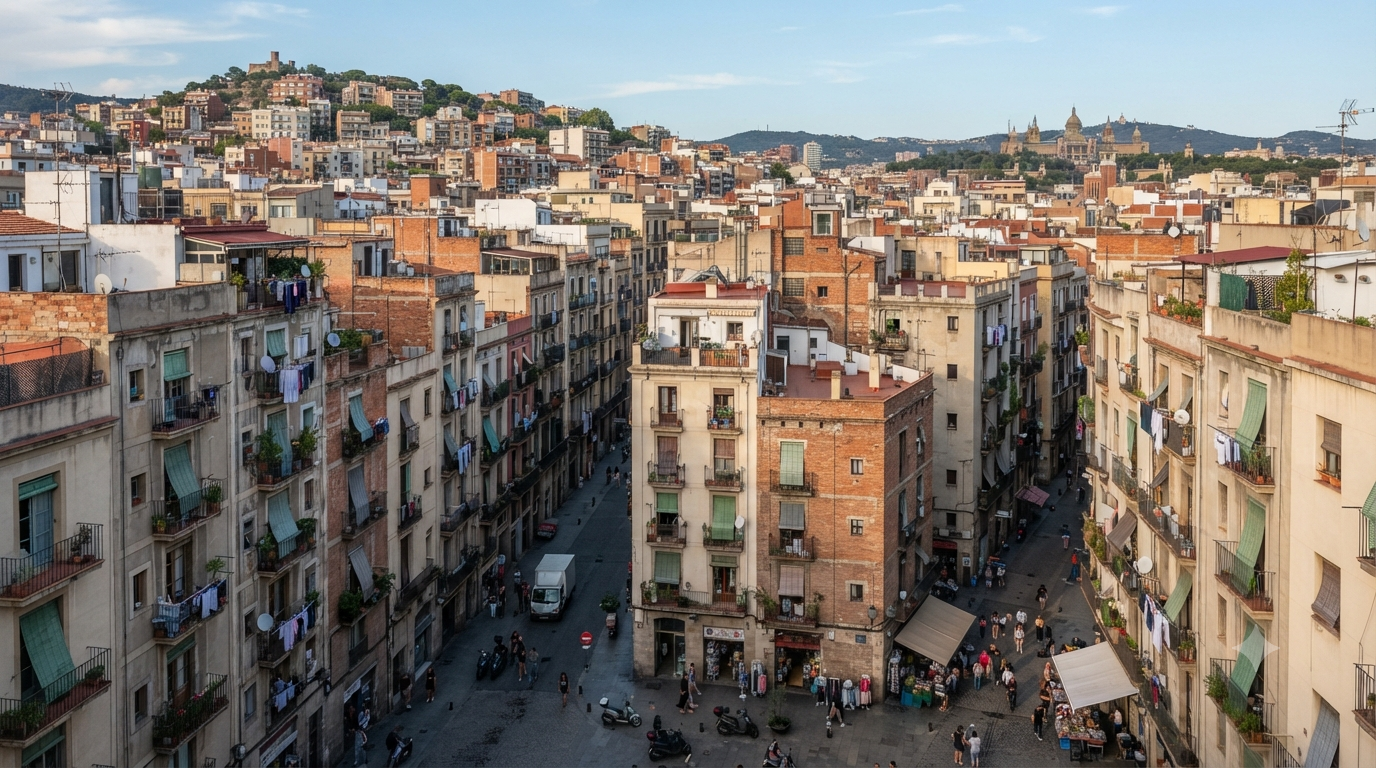
The recent snap election in Spain has thrust Spain’s housing crisis into the global spotlight, revealing deep-seated issues that resonate far beyond its borders. What began as localized protests and economic concerns has escalated into a national political reckoning, forcing leaders to confront a problem that affects millions. But why should a housing issue in Spain capture the attention of a broad international audience? Because the underlying forces at play – soaring rental costs, insufficient supply, foreign investment pressures, and a widening affordability gap – are not unique to Spain. They are symptoms of a global challenge, making Spain’s struggle a crucial case study for countries worldwide grappling with similar dilemmas.
Understanding Spain’s Housing Crisis: A Deeper Look
To truly grasp the magnitude of Spain’s housing predicament, we need to delve into its multifaceted causes. It’s not a simple issue but a complex tapestry woven from various economic, social, and political threads.
The Perfect Storm: Drivers of Unaffordability
- Boom-and-Bust Cycles: Spain has experienced dramatic real estate booms, notably in the early 2000s, followed by severe busts. The lingering effects of the 2008 financial crisis, which left a glut of empty properties while construction stalled, created an imbalance that still impacts today’s market.
- Tourism and Short-Term Rentals: Spain’s immense popularity as a tourist destination, particularly its vibrant cities and coastal regions, has led to a proliferation of short-term rental platforms like Airbnb. While boosting tourism revenue, this trend significantly reduces the supply of long-term rental properties for residents, driving up prices in urban centers.
- Foreign Investment: Attractive property prices (historically), a desirable climate, and a relatively stable economy have drawn considerable foreign investment into Spanish real estate. While beneficial for the economy, it can inflate prices beyond the reach of local earners, especially in premium locations.
- Low Wages and Precarious Employment: Despite economic growth, many Spaniards, especially younger generations, face stagnant wages and precarious employment conditions. This makes it incredibly difficult to save for a down payment or afford soaring rental costs, particularly in major cities like Madrid, Barcelona, and Valencia.
- Lack of Public Housing and Supply: Compared to some other European nations, Spain has a relatively small stock of public housing. Furthermore, regulatory hurdles and slow development processes mean that new housing supply often fails to keep pace with demand, exacerbating the scarcity.
The Political Earthquake: How Housing Rocked the Election
The housing crisis moved from a simmering social issue to a political flashpoint with astonishing speed. Public discontent, fueled by rising evictions and the sheer impossibility of finding affordable housing, reached a boiling point.
From Protests to Snap Elections
Vibrant protests, particularly led by youth groups and housing activists, became increasingly common. Images of pensioners being evicted from homes they had lived in for decades, often due to complex inheritance laws or mortgage defaults, galvanized public opinion. These scenes weren’t just local news; they became symbolic of a broader systemic failure, putting immense pressure on the ruling government.
The incumbent Prime Minister, Pedro Sánchez, faced a no-confidence vote directly linked to the housing situation and broader economic discontent. Unable to secure sufficient parliamentary support for his policies, particularly those aimed at tackling the housing crisis, he made the dramatic decision to call a snap election. This move transformed the housing crisis from a policy debate into a central campaign issue, forcing all political parties to articulate their solutions and strategies.
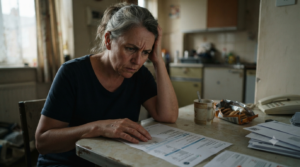
The Human Cost of Housing Instability
Beyond the economic data and political headlines, the housing crisis has a profound human cost. It impacts individuals and families at their most fundamental level: the right to a stable home.
Impact on Daily Lives and Future Generations
- Youth Exodus: Many young Spaniards find themselves unable to afford to live independently or start families in their home cities. This leads to a delayed transition into adulthood, with many living with parents well into their 30s, or even an exodus to countries with more affordable living costs.
- Mental Health Strain: The constant stress of housing insecurity, the fear of eviction, or the struggle to make rent takes a significant toll on mental health, contributing to anxiety and depression across various age groups.
- Economic Inequality: The crisis exacerbates existing inequalities. Those with stable incomes and assets can weather the storm, while vulnerable populations, low-wage workers, and single-parent households are pushed to the brink, sometimes into homelessness.
- Social Cohesion: When communities become unaffordable for their long-term residents, the social fabric begins to unravel. Neighborhoods lose their unique character as local businesses struggle and a sense of belonging diminishes.
Beyond Spain: A Global Mirror?
While specific to Spain, many aspects of this housing crisis resonate globally. Major cities from London to Vancouver, and even smaller towns experiencing gentrification, face similar pressures. The rise of digital nomads, remote work, and continued global capital flows mean that local housing markets are increasingly influenced by international dynamics.
Lessons for Other Nations
Spain’s experience serves as a stark reminder that housing is not just a commodity; it’s a fundamental human right and a cornerstone of social stability. Governments worldwide are watching closely to see how Spain navigates these treacherous waters, hoping to draw lessons on:
- Regulatory Frameworks: The effectiveness of rent controls, limits on short-term rentals, and incentives for affordable housing development.
- Balancing Tourism and Local Needs: Strategies to harness the economic benefits of tourism without sacrificing local residents’ access to housing.
- Sustainable Urban Planning: How to ensure that urban development prioritizes community needs and long-term affordability over speculative profit.
Potential Solutions and Their Challenges
Addressing Spain’s housing crisis will require a multi-pronged approach, and political parties have put forth various proposals, each with its own set of challenges.
Policy Pathways
- Rent Control and Price Caps: Some advocate for strict rent controls to stabilize prices. However, critics argue this can disincentivize landlords from investing in properties and reduce available rental stock.
- Boosting Public and Social Housing: Increasing the supply of affordable housing through public initiatives is a key demand, but it requires significant government investment and time.
- Tax Incentives and Disincentives: Policies could include tax breaks for long-term rentals or penalties for vacant properties to encourage landlords to put homes on the market.
- Regulating Short-Term Rentals: Stricter regulations or limits on platforms like Airbnb could free up properties for long-term residents, but this often faces opposition from the tourism industry.
- Urban Planning Reform: Streamlining construction permits and investing in infrastructure in less dense areas could help expand housing options.
Conclusion
The snap election in Spain has undeniably placed its housing crisis at the forefront of the national agenda, but its implications stretch far beyond the Iberian Peninsula. It’s a powerful demonstration of how fundamental economic and social issues can ignite political upheaval. For a broad international audience, Spain’s struggle with housing affordability is a cautionary tale and a valuable lesson. It underscores the urgent need for governments globally to adopt sustainable, equitable housing policies that prioritize the well-being of their citizens over speculative market forces. The outcome of Spain’s election, and the policies that follow, will offer critical insights into how societies can navigate one of the defining challenges of our time.
Source: original article