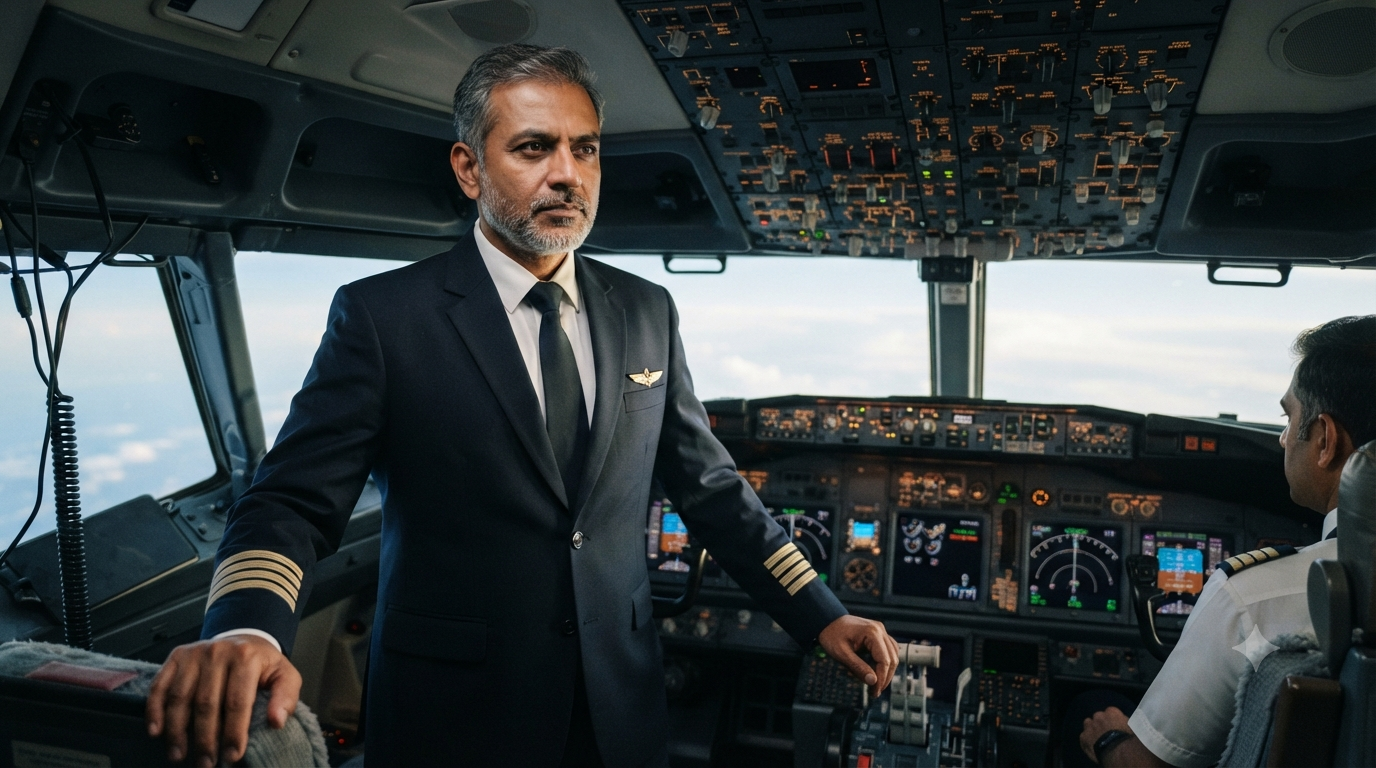
The recent flight security incident aboard a FlyDubai aircraft, involving an attempted cockpit stabbing, has sent ripples of concern and admiration across the globe, shining a spotlight on the incredible bravery of an Indian pilot and the unwavering commitment to aviation safety. This harrowing event, which saw a co-pilot allegedly attempt to crash the plane en route to Tel Aviv, serves as a stark reminder of the unpredictable dangers that can arise even in the most secure environments and the extraordinary courage required to overcome them. For millions of travelers worldwide, this incident underscores the silent heroes who stand between routine travel and potential catastrophe, and it prompts a deeper look into the layers of security that keep our skies safe.
The Unthinkable Unfolds: A Critical Flight Security Incident
On what began as a routine FlyDubai flight from Dubai to Tel Aviv, the tranquility of the journey was shattered by an unthinkable act. Reports indicate that a co-pilot, for reasons still under investigation, launched a violent attack on the flight’s captain in the cockpit. This wasn’t merely a dispute; it was an alleged attempt to take control of the aircraft, putting the lives of everyone on board in immediate and grave danger. The specific route, connecting two regions with complex geopolitical dynamics, added another layer of urgency and sensitivity to the situation, prompting swift international attention.
Imagine the terror: thousands of feet in the air, a confined space, and the very individuals entrusted with your safety becoming a source of unprecedented threat. The immediate plunge of the aircraft, a terrifying descent that sent shockwaves through the cabin, signaled the gravity of the struggle unfolding just beyond the cockpit door. In such a high-stakes scenario, every second counts, and the ability to maintain composure, assess the threat, and react decisively becomes the ultimate test of a pilot’s training and character.
Captain Smit Machchhar: A Study in Composure
At the heart of this extraordinary tale of survival is Captain Smit Machchhar, an Indian pilot hailed globally as a hero. Despite being the victim of a sudden and violent assault, Captain Machchhar’s actions were nothing short of miraculous. Rather than succumbing to panic or the attack itself, he reportedly engaged in a desperate struggle, fighting off his assailant while simultaneously attempting to regain control of the plummeting aircraft. His ability to maintain a clear mind under unimaginable pressure, prioritizing the safety of his passengers and crew above his own, exemplifies the highest ideals of aviation professionalism.
Captain Machchhar’s bravery didn’t just prevent a crash; it bought precious time for the cabin crew and passengers to intervene. His quick thinking and physical resilience in a life-or-death situation demonstrate that heroism isn’t just about grand gestures, but about the innate human capacity to act decisively when everything is on the line. His story resonates far beyond the aviation community, becoming a testament to the power of courage and the indomitable spirit of those who face adversity head-on.
Beyond the Cockpit: The Role of Passengers and Crew
While Captain Machchhar’s actions were pivotal, the successful resolution of this crisis was a collective effort. The courage of the cabin crew and several passengers who responded to the emergency was equally crucial. Hearing the struggle and sensing the imminent danger, they reportedly forced their way into the cockpit, subduing the attacker and providing critical assistance. This collective intervention highlights the importance of trained cabin crew in emergency response and the often-underestimated role of alert passengers.
In moments of extreme peril, the bonds of human solidarity often shine brightest. The coordinated efforts of strangers, united by a common threat, transformed a potentially catastrophic situation into a testament to human resilience. This incident serves as a powerful reminder that aviation safety is not solely the responsibility of the pilots and air traffic controllers, but a shared commitment that extends to every individual on board, fostering a community of vigilance and mutual support.
The Global Echo: Why This Incident Matters to Everyone
This incident is more than just a dramatic news story; it carries significant implications for a global audience. For frequent flyers, it raises questions about the psychological screening of flight personnel and the security measures within the cockpit. For airlines, it prompts a re-evaluation of emergency protocols and crew training. And for governments, it underscores the need for robust intelligence sharing and international cooperation to identify and mitigate potential threats to air travel.
In an increasingly interconnected world, the safety of one flight can impact the confidence of travelers across continents. This event, occurring on a flight between two major global hubs, reminds us that aviation security is a universal concern, transcending borders and political differences. It reinforces the notion that vigilance must be constant, and that the mechanisms designed to protect us must be continuously reviewed and strengthened.
Enhancing Aviation Security: Lessons from a Flight Security Incident
Every major aviation incident, no matter how tragic or miraculously averted, offers critical lessons. This particular flight security incident will undoubtedly lead to thorough investigations into the attacker’s motives, background, and how such an individual could pose a threat from within the flight deck. It highlights the paramount importance of:
- Robust Psychological Screening: Ensuring the mental and emotional fitness of all flight crew members through rigorous and ongoing assessments.
- Reinforced Cockpit Security: Reviewing and potentially enhancing the physical barriers and access controls to the cockpit.
- Crew Resource Management (CRM): Emphasizing training that prepares pilots and cabin crew for extreme scenarios, including insider threats.
- Passenger Awareness: Encouraging vigilance among passengers and fostering a culture where reporting suspicious behavior is normalized.
The aviation industry is built on layers of security, and each layer must be impenetrable. This incident forces us to examine those layers with renewed scrutiny, ensuring that no stone is left unturned in the pursuit of absolute safety.
The bravery of Captain Smit Machchhar and the passengers on that FlyDubai flight serves as a powerful beacon of hope and resilience. Their actions averted a potential catastrophe, reminding us of the human capacity for courage in the face of terror. As investigations continue and the aviation world learns from this harrowing event, the commitment to making our skies safe for everyone remains unwavering. It’s a continuous journey of vigilance, innovation, and, above all, the recognition and celebration of the heroes among us.
Source: original article