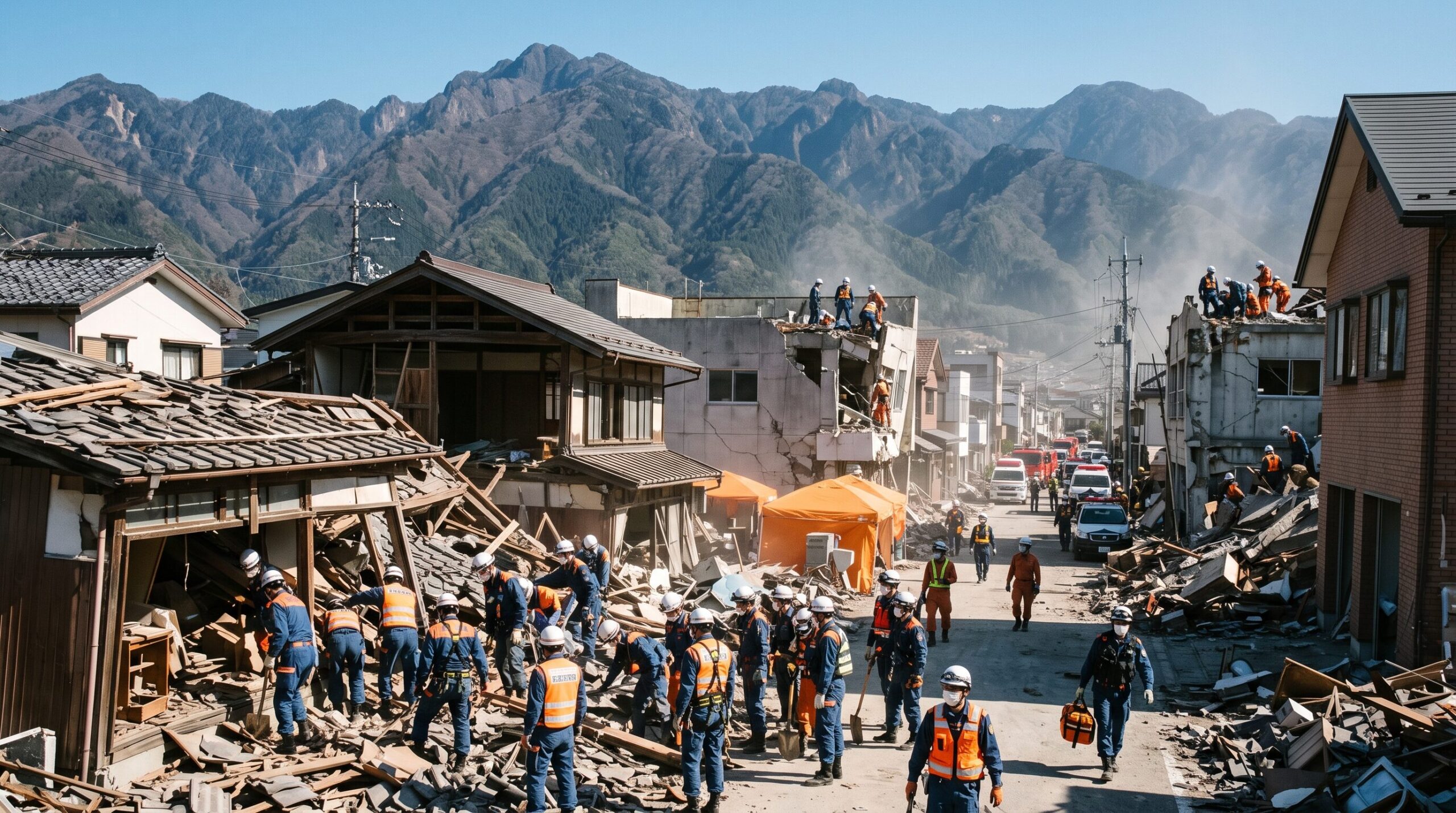
The recent devastating earthquake in Japan has once again highlighted the incredible strength and systematic approach to disaster management that defines the nation’s character. As rescue teams race against time to locate survivors trapped in rubble, including at a mall that had only recently reopened a decade after a previous deadly quake, the world watches on, reminded of the constant seismic challenges Japan faces. The immediate aftermath underscores the critical importance of a robust Japan earthquake response, not just for the affected communities but as a global model for resilience and preparedness in the face of nature’s formidable power.
Understanding Japan’s Seismic Landscape
Japan sits precariously on the Pacific Ring of Fire, a horseshoe-shaped belt around the Pacific Ocean where a large number of earthquakes and volcanic eruptions occur. This geological reality means that seismic activity is not an anomaly but a frequent occurrence, making earthquake preparedness an integral part of daily life and national infrastructure. The country experiences thousands of earthquakes every year, though most are minor and go unnoticed by the general public. However, the consistent threat of major quakes has driven Japan to develop some of the world’s most advanced strategies for mitigating damage and saving lives.
The latest event, occurring in a region still bearing the scars of past disasters, serves as a stark reminder of the relentless nature of these forces. For a global audience, understanding Japan’s unique geological position is crucial to appreciating the extraordinary measures it takes to protect its citizens and infrastructure, offering valuable insights into how other earthquake-prone regions might adapt and strengthen their own defenses.
The Pillars of Japan Earthquake Response: Preparedness and Technology
Japan’s approach to earthquakes is multi-faceted, combining stringent building codes with cutting-edge technology and extensive public education. These pillars form the bedrock of its impressive resilience:
- Advanced Building Codes: Following devastating earthquakes in its history, Japan has continuously refined its building regulations. Modern structures are designed to sway with tremors, dissipate seismic energy, or even float on layers of shock-absorbing material. This engineering marvel is often the reason why, even in powerful quakes, many buildings remain standing, allowing for a quicker recovery.
- Early Warning Systems: Japan boasts one of the world’s most sophisticated early warning systems, capable of detecting tremors moments before they reach population centers. These precious seconds or minutes allow for automatic shutdowns of trains and factories, people to take cover, and critical systems to prepare for impact, significantly reducing casualties and secondary damage.
- Public Education and Drills: From a young age, Japanese citizens are taught how to react during an earthquake. Regular drills are conducted in schools, workplaces, and communities, instilling a collective understanding of safety protocols. This cultural embedding of preparedness ensures a coordinated and effective initial response when disaster strikes.
The Human Element: Community Resilience and Rapid Aid
Beyond technology and infrastructure, the human element plays an indispensable role in Japan’s capacity to overcome adversity. The immediate aftermath of an earthquake often sees an outpouring of community support, with neighbors helping neighbors, and volunteers quickly mobilizing to assist rescue efforts. This strong sense of collective responsibility and mutual aid is a testament to the nation’s social cohesion.
First responders, including firefighters, police, and self-defense forces, are highly trained and equipped for earthquake scenarios. Their swift deployment to affected areas is crucial for search and rescue operations, providing medical aid, and establishing temporary shelters. The efficiency of these teams, often working under challenging conditions, is a critical component of the overall Japan earthquake response, ensuring that aid reaches those most in need as quickly as possible.
Rebuilding Stronger: Lessons from Recovery Efforts
The journey from disaster to recovery is long and arduous, yet Japan has consistently demonstrated an ability to rebuild not just to its former state, but stronger and more resilient. The tragic experience of the mall that had just reopened speaks volumes about this ongoing commitment. Each major earthquake provides new lessons that are meticulously analyzed and integrated into future planning and construction practices.
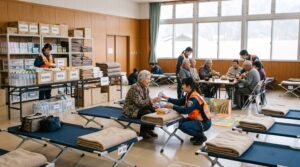
Recovery efforts extend beyond physical reconstruction to include comprehensive support for affected communities. This involves providing temporary housing, psychological counseling for survivors, and economic assistance to help businesses and livelihoods recover. The focus is always on fostering long-term stability and ensuring that future generations are better equipped to face similar challenges. This continuous cycle of learning, adapting, and innovating is what makes Japan a global leader in disaster recovery.
A Global Perspective: What the World Can Learn from Japan Earthquake Response
For a broad international audience, the events in Japan offer invaluable lessons. While not all regions share Japan’s unique geological challenges or economic resources, the principles behind its successful Japan earthquake response are universally applicable:
- Prioritizing Preparedness: Investing in robust building codes, early warning systems, and public education is paramount for any earthquake-prone area.
- Fostering Community Resilience: Encouraging local networks of support and volunteerism can significantly amplify initial response efforts.
- Continuous Learning and Adaptation: Each disaster, while tragic, presents an opportunity to refine strategies and improve future responses.
- International Cooperation: While Japan is highly capable, global solidarity and shared knowledge are essential in addressing large-scale natural disasters.
The world can draw inspiration from Japan’s unwavering commitment to safety and its innovative approaches to living with seismic risk. It’s a reminder that while we cannot prevent natural disasters, we can significantly mitigate their impact through foresight, technology, and collective human spirit.
Conclusion
As Japan once again confronts the immediate aftermath of a powerful earthquake, the nation’s profound resilience and sophisticated approach to disaster management are on full display. The rising casualty figures are a somber reminder of nature’s destructive power, but the speed and coordination of the Japan earthquake response offer a beacon of hope and a testament to human ingenuity. For a global community, Japan’s experience is not just a story of survival, but a powerful guide for how to prepare, respond, and ultimately rebuild stronger in an increasingly unpredictable world. Our thoughts remain with all those affected, and we continue to learn from a nation that embodies strength in the face of adversity.
Source: original article