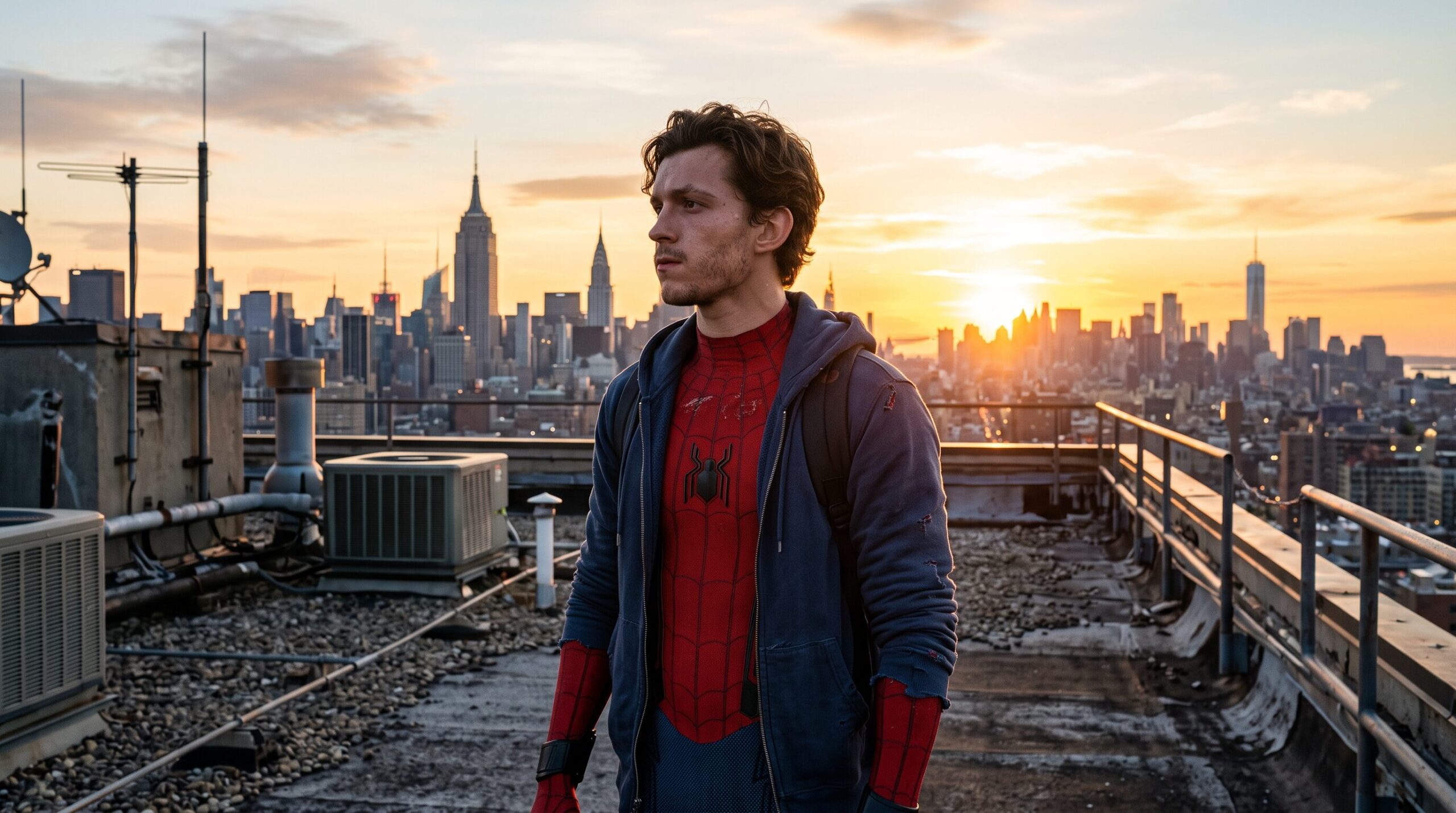
The highly anticipated cinematic release of Spider-Man Brand New Day has ignited passionate discussions among critics and fans alike, presenting a fascinating paradox in its initial reception. While early reports from Forbes highlight it as receiving the lowest critics’ score among Tom Holland’s Spider-Man movies, other outlets like Rotten Tomatoes and Time Magazine are praising it as the most grounded, mature, and even a better attempt at a Marvel film. This fascinating split begs the question: what exactly is going on with the latest adventure of our friendly neighborhood web-slinger?

The Paradox of Reception: Why Spider-Man Brand New Day Divides Critics
It’s rare for a major blockbuster, especially one starring a character as beloved as Spider-Man, to receive such a Jekyll-and-Hyde critical appraisal. On one hand, the notion of it having the ‘lowest critics’ score’ of Tom Holland’s tenure as Peter Parker immediately raises eyebrows. For many, Holland’s portrayal has been a high point in the Marvel Cinematic Universe, blending youthful exuberance with genuine heart. A lower score might suggest a misstep, perhaps a narrative choice that alienated some reviewers or failed to live up to the sky-high expectations set by previous installments.
However, the counter-narrative is equally compelling. Phrases like ‘most grounded, mature Spider-Man story yet’ from Rotten Tomatoes, or ‘remembers what makes Spidey special’ from The Washington Post, paint a picture of a film that, despite its potential flaws in execution for some, deeply understands the core essence of the character. This suggests that the movie might be intentionally diverging from the established formula, perhaps sacrificing immediate widespread critical adoration for a more focused, character-driven experience.
A Fresh Start for the Web-Slinger
The title itself, ‘Brand New Day,’ heavily implies a narrative reset or a significant new chapter for Peter Parker. Following the universe-altering events of previous films, a fresh start is not just welcome but arguably necessary. This could involve a deeper dive into Peter’s personal life, his struggles with balancing his heroic duties with his civilian existence, and the profound loneliness that often accompanies great power and responsibility. A ‘grounded’ and ‘mature’ approach would likely mean less reliance on grand spectacle and more on emotional depth, moral dilemmas, and the relatable human challenges that have always been at the heart of Spider-Man’s appeal.
Such a direction, while potentially challenging for critics expecting a more traditional superhero blockbuster, could be exactly what a broad international audience is craving. In an era where superhero fatigue is a real concern, a story that truly focuses on the ‘man’ behind the ‘spider’ can resonate globally, reminding viewers why they fell in love with Peter Parker in the first place.

What Makes This Spider-Man Special?
The Washington Post’s comment that ‘Spider-Man: Brand New Day’ ‘remembers what makes Spidey special’ is perhaps the most intriguing piece of the puzzle. What does make Spider-Man special? It’s not just his incredible powers or his iconic suit; it’s Peter Parker himself. He’s the relatable underdog, the kid from Queens who struggles with homework, crushes, and paying rent, all while saving the world. His empathy, his unwavering sense of responsibility, and his refusal to give up, even when everything seems stacked against him, are his true superpowers.
A film that ‘remembers’ these elements likely strips away some of the larger-than-life aspects often associated with the MCU, bringing Peter back to basics. This could involve exploring his moral code in a more nuanced way, showcasing the personal cost of heroism, and emphasizing his connection to the ordinary people he protects. For an international audience, this emphasis on universal themes of struggle, resilience, and personal sacrifice can be incredibly powerful and enduring, transcending cultural barriers.
The Evolving Landscape of Marvel Movies
Time Magazine’s observation that ‘Spider-Man: Brand New Day’ ‘Proves That You Can at Least Try to Build a Better Marvel Movie’ speaks volumes about the current state of the superhero genre. After years of interconnected narratives, multiverse shenanigans, and escalating stakes, there’s a growing appetite for stories that feel more contained, more character-focused, and less beholden to an overarching cinematic universe. Audiences are looking for innovation, for films that dare to experiment with tone, pacing, and thematic depth.
This film might be Marvel’s attempt to respond to that call, demonstrating a willingness to evolve beyond its established formula. By delivering a more ‘grounded’ and ‘mature’ narrative, it could be paving the way for a new era of superhero storytelling, one where individual character arcs and compelling human drama take precedence over universe-spanning spectacles. Such a shift could revitalize the genre and ensure its continued relevance for a global audience that appreciates both thrilling action and profound storytelling.
Conclusion: A New Chapter Worth Exploring
The initial critical reception of ‘Spider-Man: Brand New Day’ is undeniably complex, presenting a fascinating dichotomy between lower overall scores and high praise for its specific qualities. This isn’t just a simple case of ‘good’ or ‘bad’ but rather an indication of a film that is attempting something different. It appears to be a deliberate effort to pivot towards a more intimate, character-driven narrative, one that truly embodies the spirit of Peter Parker’s struggles and triumphs.
For fans and newcomers alike, this means that ‘Brand New Day’ might offer a unique viewing experience, one that encourages deeper engagement and reflection rather than just passive consumption. Whether you’re a long-time Spidey enthusiast or simply looking for a compelling story in the superhero genre, this film seems poised to offer plenty to discuss, debate, and ultimately, to enjoy. It reminds us that critical scores, while useful, are just one part of the story, and the true measure of a film’s impact often lies in its ability to spark conversation and resonate with its audience on a deeper level.
Source: original article
The APK installation was a breeze and the performance is top notch. Everything feels very responsive. Get the app at pkjjwinapk