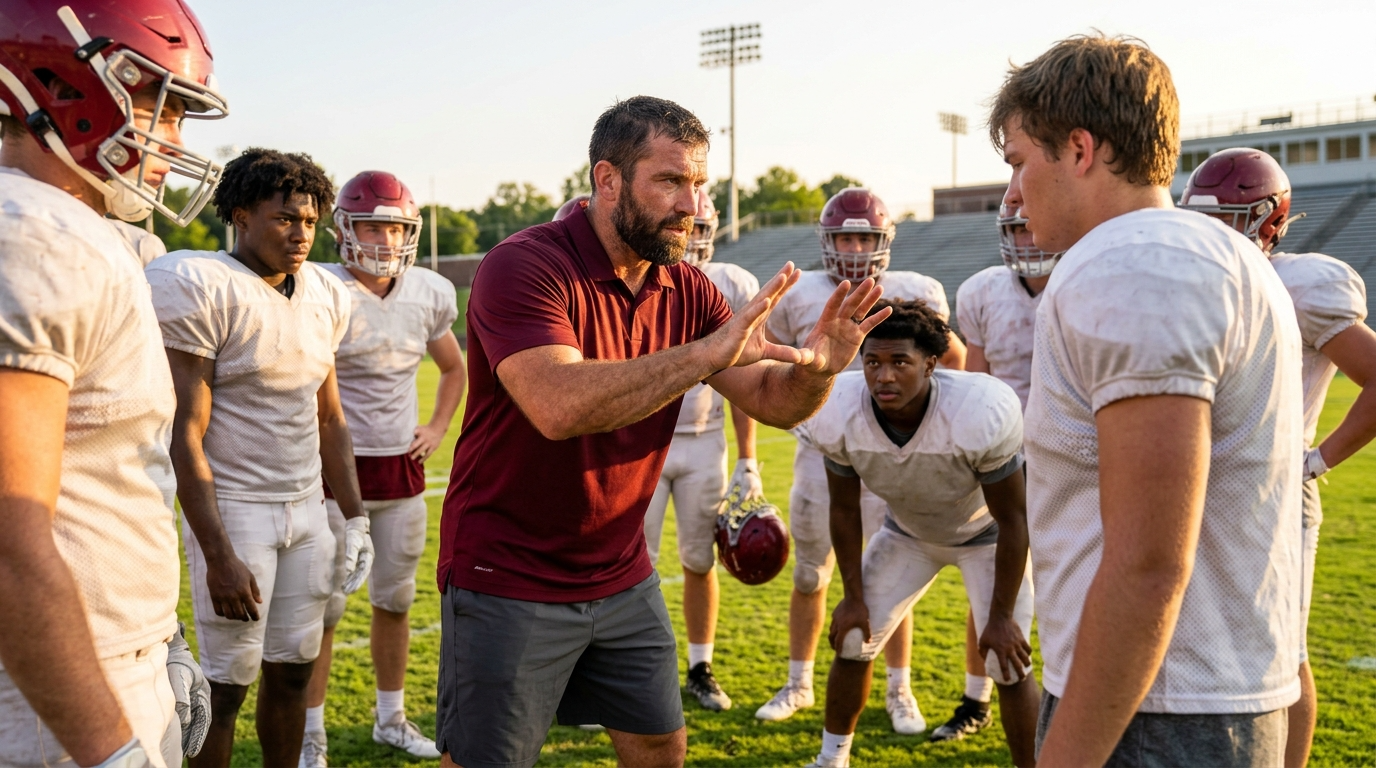
A recent, groundbreaking court injunction has ignited a seismic shift in the world of American college sports, specifically paving the way for former NFL players to potentially return to the collegiate gridiron. This isn’t just a minor rule tweak; it’s a decision with the power to fundamentally alter the landscape of university athletics, not only in the United States but also sparking conversations about athlete eligibility and development on a global scale. What does this landmark ruling truly mean for the future of college sports, its athletes, and the millions of fans worldwide?
The Landmark Ruling: Opening the Gates for Former NFL Players
The core of this monumental change stems from a federal judge granting an injunction against the National Collegiate Athletic Association (NCAA) and the Southeastern Conference (SEC). For those unfamiliar, the NCAA is the primary governing body for college sports in the U.S., overseeing thousands of institutions and hundreds of thousands of student-athletes. The SEC is one of the most powerful and competitive conferences within the NCAA, particularly in football.
The injunction specifically allows Louisiana State University (LSU), a prominent SEC school, to sign athletes who have previously been paid for their athletic abilities – a category that explicitly includes former NFL players. This move directly challenges long-standing NCAA rules designed to maintain the ‘amateur’ status of college athletes, prohibiting them from having played professionally in the same sport before competing collegiately.
The lawsuit, brought by a former college football player seeking to return to play, argues that these NCAA rules constitute an illegal restraint of trade under antitrust laws. The judge’s agreement, even if temporary, sends a powerful message: the old definitions of amateurism and eligibility are under severe legal scrutiny, and their future is far from guaranteed.
A Blow to “Amateurism”?
For decades, the NCAA has fiercely guarded the concept of “amateurism,” asserting that college athletes are students first, competing for the love of the game and their institution, not for pay. This ideal has been the bedrock of its regulatory framework, differentiating U.S. college sports from professional leagues and even from university sports models in many other countries, where it’s not uncommon for professional athletes to pursue higher education concurrently or return to university play after a pro career. The recent Name, Image, and Likeness (NIL) reforms, which allow college athletes to profit from endorsements, already chipped away at this principle. This latest ruling, however, might just shatter it completely, opening the door for athletes who have truly been professionals to re-enter the college game.
What This Means for Collegiate Athletics and Beyond
The implications of this injunction are vast and multifaceted, potentially reshaping everything from team rosters to fan engagement.
Player Eligibility & Roster Dynamics
The most immediate impact will be on who can play. Suddenly, teams like LSU could recruit athletes with years of professional experience, potentially bringing a level of maturity, skill, and strategic understanding that current college players, no matter how talented, simply haven’t had time to develop. This could lead to:
- Older Rosters: College teams might feature players in their late 20s or even 30s.
- Competition for Spots: Younger, aspiring college athletes might find it harder to earn playing time if seasoned pros are filling key positions.
- NIL Implications: Former NFL players, already established names, could command significant NIL deals, further altering the financial landscape of college sports.
Competitive Balance
The ruling raises serious questions about competitive equity. Will only the wealthiest programs, with the deepest pockets and most prominent brands, be able to attract these high-profile former pros? This could potentially exacerbate the existing divide between powerhouse athletic departments and smaller institutions, making it even harder for programs with fewer resources to compete at the highest levels. Conversely, it could also offer a unique recruiting angle for some schools, allowing them to differentiate themselves by offering a path for a professional comeback or continued education.
Fan Engagement & Revenue
Imagine seeing a former NFL Pro Bowler lining up for your favorite college team. The novelty and star power could lead to a massive surge in fan interest, ticket sales, and television viewership. For blogs like ours, monetized through platforms like Google AdSense, this increased engagement would translate directly into more traffic and revenue. The narratives around these players, their journeys back to college, and their impact on young teammates would provide endless compelling content.
Player Development & Mentorship
While some worry about younger players being overshadowed, there’s also a potential upside: mentorship. Having veteran professionals in the locker room and on the field could provide invaluable guidance to college athletes still developing their skills and understanding the demands of high-level competition. These “player-coaches” could elevate the entire team’s performance and provide a unique learning environment for future pros.
The Broader Implications: A Future Without the Old Rules?
This injunction is not an isolated incident. It’s part of a larger trend of legal challenges and shifting public opinion that has eroded the NCAA’s traditional power. This ruling, specifically affecting the SEC, could set a precedent for other conferences and sports. If the NCAA’s ability to enforce its amateurism rules is permanently curtailed, the entire structure of college athletics could undergo a dramatic transformation. We might see:
- A more professionalized college sports model, blurring the lines with minor leagues.
- Further legal battles defining the rights of student-athletes as employees rather than amateurs.
- Universities adapting their athletic programs to integrate professional and amateur talent.
The question posed by some, including coaches like Lane Kiffin, about whether bringing in such players is “really worth it,” goes beyond just on-field performance. It delves into the very identity of college sports. Are we heading towards a hybrid model, or something entirely new?
Conclusion
The judge’s injunction allowing LSU to sign former NFL players is more than just a win for one university; it’s a potential watershed moment for college sports. It challenges deeply entrenched traditions, opens doors for new player pathways, and forces everyone involved to reconsider the fundamental nature of collegiate athletics. While the immediate future holds uncertainty and likely more legal skirmishes, one thing is clear: the landscape of college sports is undergoing a monumental transformation, and its evolution will be fascinating to watch. Stay tuned as we continue to track this developing story and its profound impacts.
Source: original article