
The recent Austin shooting incident, involving an Immigration and Customs Enforcement (ICE) agent and a Venezuelan DoorDash driver, has ignited a fierce debate and drawn national attention, shining a spotlight on critical issues surrounding immigration enforcement, federal authority, and the rights of individuals. This event, currently under investigation, has quickly become a flashpoint in the ongoing conversation about immigration policy and law enforcement accountability, not just within the United States but across a global audience keenly observing developments in American society.

What Exactly Happened in Austin?
According to initial reports from city officials, an ICE agent shot and wounded a man in Austin, Texas. The individual shot has been identified as a Venezuelan national working as a DoorDash driver. While the exact circumstances leading up to the shooting are still being pieced together by authorities, what is known is that the incident involved an interaction between federal immigration enforcement personnel and a civilian. The victim was hospitalized with injuries, and various federal and local agencies have launched investigations to determine the full sequence of events and whether established protocols were followed.
This incident didn’t occur in a vacuum; it happened in a city known for its diverse population and often contentious debates surrounding immigration. The immediate aftermath saw a rapid response from local community leaders, advocates, and concerned citizens, all demanding transparency and accountability. The fact that the shooting involved an ICE agent immediately elevates the incident from a local crime story to one with significant implications for federal immigration policy and human rights.
The Mandate and Controversy of ICE
Immigration and Customs Enforcement (ICE) is a federal law enforcement agency under the U.S. Department of Homeland Security. Its primary mission is to protect national security, public safety, and border security. This includes enforcing immigration laws, investigating transnational crime, and preventing terrorism. However, ICE’s operations, particularly those involving arrests and deportations, have long been a subject of intense scrutiny and controversy.
Critics often point to ICE’s broad powers, its perceived lack of transparency, and its impact on immigrant communities as causes for concern. Advocates for immigrant rights argue that aggressive enforcement tactics can lead to undue fear and mistrust within communities, making it harder for individuals, regardless of their immigration status, to report crimes or cooperate with local law enforcement. This incident in Austin further fuels these debates, prompting questions about the appropriate scope of federal power and the methods used in immigration enforcement.
The Human Element: A Gig Worker’s Precarious Reality
The victim in the Austin shooting incident being a DoorDash driver adds another layer of complexity and empathy to the story. The gig economy, characterized by temporary, flexible jobs, often attracts individuals seeking immediate income, including many immigrants and those in precarious financial situations. For countless individuals globally, platforms like DoorDash offer a lifeline, providing a means to support themselves and their families.
However, gig workers often lack the protections and benefits afforded to traditional employees, making them particularly vulnerable. An incident like this highlights the risks inherent in such work, especially for those navigating complex immigration statuses. It underscores a global concern: how modern labor practices intersect with immigration policies and the potential for vulnerable populations to be caught in the crossfire of enforcement actions. The story of a delivery driver simply trying to earn a living being shot by a federal agent resonates deeply with anyone concerned about economic justice and human dignity.
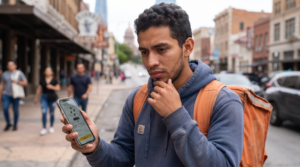
Why This Austin Shooting Incident Resonates Beyond Borders
While the shooting occurred in Austin, Texas, its implications are not confined to American soil. The incident touches upon universal themes that resonate with a broad international audience:
- Immigration Debates: Countries worldwide grapple with immigration challenges, policies, and the integration of migrant populations. The Austin event provides a stark example of the human impact of enforcement actions.
- Accountability of Law Enforcement: Calls for transparency and justice when state agents use force are echoed globally, especially in an era of heightened awareness regarding police brutality and human rights.
- Vulnerability of Migrant Workers: The precarious position of migrant workers, particularly those in the gig economy, is a global issue. Their susceptibility to exploitation and unforeseen dangers is a shared concern.
- Federal vs. Local Jurisdiction: The tension between federal enforcement and local community policies is a recurring theme in many nations, especially in federal systems, raising questions about autonomy and cooperation.
- Human Rights and Dignity: At its core, the incident challenges fundamental principles of human rights, questioning the treatment of individuals regardless of their legal status and demanding respect for their dignity.
For a global audience, this event serves as a powerful reminder that issues of immigration, security, and human rights are interconnected and demand international attention and dialogue.
The Path Forward: Investigations and Calls for Justice
Multiple investigations are now underway, involving various federal agencies, including the Department of Homeland Security’s Office of Inspector General. The focus will be on examining the agent’s actions, adherence to protocols, and the use of force. Community leaders, advocacy groups, and the public are closely watching these developments, demanding a thorough, impartial, and transparent investigation.
The outcome of these investigations will be crucial, not only for delivering justice to the individuals involved but also for setting precedents for future immigration enforcement actions. It will undoubtedly contribute to the ongoing national and international dialogue about the balance between securing borders, enforcing laws, and upholding the fundamental rights and safety of all individuals within a society. The Austin incident underscores the urgent need for clarity, accountability, and humane approaches in all aspects of immigration policy and enforcement.
Source: original article