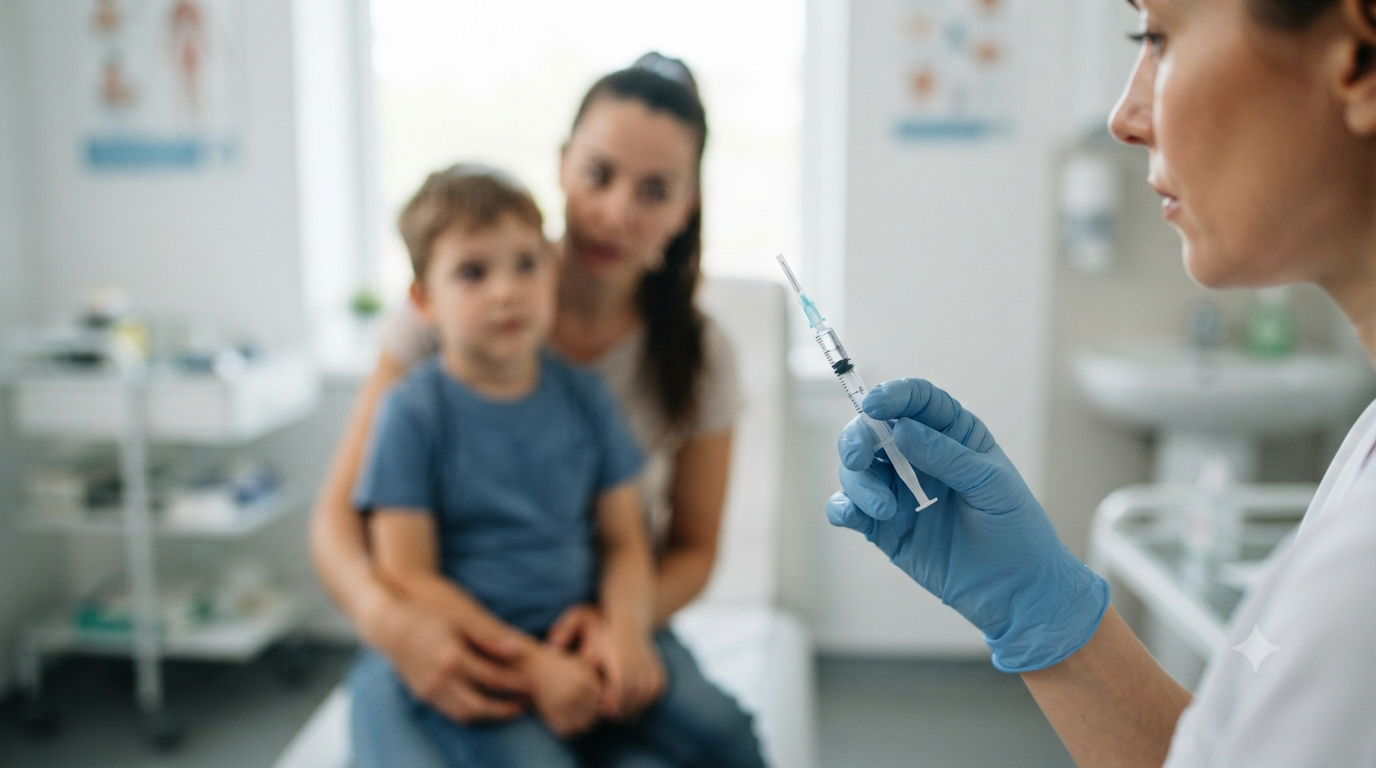
The news from Pennsylvania reporting a fifth measles-associated death underscores a critical reality: the measles outbreak is a serious and growing concern that demands our immediate attention, not just locally but globally. While headlines often focus on specific regions, the highly contagious nature of measles means an outbreak anywhere can quickly become a threat everywhere. For a broad international audience, understanding the nuances of this resurgence is vital for personal and community health. This article breaks down five essential facts about measles, its risks, and what you can do to protect yourself and your loved ones in an increasingly interconnected world.
What is Measles?
Measles, also known as rubeola, is a highly contagious viral disease that can lead to severe complications, including pneumonia, encephalitis (brain swelling), and even death. Before the measles vaccine became widely available, measles was a common childhood illness, responsible for millions of deaths worldwide each year. While often dismissed as a mere rash, its impact on the human body, especially in vulnerable populations, can be devastating. The virus is spread through the air via respiratory droplets when an infected person coughs or sneezes, making it one of the most contagious infectious diseases known.
The Viral Threat
The measles virus targets the respiratory system, but its effects are systemic, weakening the immune system for weeks or even months after the infection clears. This immune suppression can leave individuals vulnerable to other infections. The incubation period (the time from exposure to the onset of symptoms) typically ranges from 10 to 14 days, during which an infected person can unknowingly spread the virus before showing any signs themselves. This silent spread is a significant factor in the rapid expansion of outbreaks.
Why the Recent Measles Outbreak is Concerning
The recent confirmed deaths in Pennsylvania are a stark reminder that measles is not a benign illness, and its return in areas with previously high vaccination rates is alarming. The Centers for Disease Control and Prevention (CDC) has reported a significant increase in measles cases across the United States, marking it as the worst year for the disease since 1991. This resurgence isn’t isolated to the US; various countries globally have also experienced spikes in cases, largely attributed to declining vaccination coverage.
The Human Cost
Each death associated with measles represents a tragic loss, highlighting the severe consequences for unvaccinated individuals. Those most at risk of severe complications and death include infants, young children, pregnant women, and people with compromised immune systems. The current trend suggests that complacency regarding vaccination, combined with the ease of international travel, creates fertile ground for the virus to re-establish itself in communities. This poses a particular threat to those who cannot be vaccinated due to age or medical conditions, relying on ‘herd immunity’ for protection.

Understanding Measles Transmission and Symptoms
Understanding how measles spreads and what symptoms to look for is crucial for early detection and preventing further transmission. The virus is remarkably efficient at finding unvaccinated individuals.
How it Spreads
Measles virus particles can remain airborne for up to two hours after an infected person leaves a room. This means that simply being in the same space as someone with measles, even briefly, can lead to infection if you are not immune. An infected person can spread measles from four days before the rash appears to four days after the rash appears. This long period of contagiousness, often before a diagnosis is made, makes containment challenging.
Recognizing the Signs
Initial symptoms of measles typically include a high fever (which can reach 104°F or higher), cough, runny nose, and red, watery eyes (conjunctivitis). These symptoms are often followed by the appearance of tiny white spots with bluish-white centers on the inside of the mouth, known as Koplik’s spots. A few days later, a characteristic red, blotchy rash appears, usually starting on the face and neck, and then spreading down the body. Anyone experiencing these symptoms, especially if they have been exposed to measles or are unvaccinated, should seek medical attention immediately, informing their healthcare provider in advance to prevent potential exposure to others in waiting rooms.
Protection and Prevention: The Role of Vaccination
The most effective and safest way to prevent measles is through vaccination. The Measles, Mumps, and Rubella (MMR) vaccine is highly effective, providing long-lasting immunity. Two doses of the MMR vaccine are about 97% effective at preventing measles, while one dose is about 93% effective. This vaccine has been instrumental in dramatically reducing measles cases globally and is considered one of public health’s greatest achievements.
The Power of Immunity
Vaccination doesn’t just protect the individual; it also contributes to ‘herd immunity.’ When a high percentage of the population is vaccinated, it creates a protective barrier that makes it difficult for the disease to spread, safeguarding those who cannot be vaccinated, such as infants too young for the vaccine or individuals with compromised immune systems. Declines in vaccination rates, fueled by misinformation and vaccine hesitancy, directly erode this protective barrier, leading to the resurgence of preventable diseases like measles.
Global Implications and What You Can Do
Given our interconnected world, measles outbreaks in one country can quickly become a global concern. International travel means that individuals can unknowingly carry the virus across borders, initiating new chains of transmission. This makes robust public health surveillance and high vaccination coverage critical everywhere.
- Check Your Vaccination Status: Ensure you and your family are up-to-date on MMR vaccinations. If you’re unsure, consult your doctor.
- Stay Informed: Rely on credible sources like the CDC, WHO, and your local public health authorities for accurate information.
- Practice Good Hygiene: While vaccination is primary, regular handwashing and covering coughs/sneezes always help reduce the spread of respiratory illnesses.
- Be Mindful When Traveling: If traveling internationally, especially to areas experiencing outbreaks, ensure you are fully vaccinated.
Conclusion
The recent measles-associated deaths are a tragic reminder of the serious threat this preventable disease poses. The ongoing measles outbreak highlights the fragility of public health achievements when vaccination rates decline. Measles is not a harmless childhood illness; it’s a dangerous virus with potentially fatal consequences. By understanding the disease, recognizing its symptoms, and ensuring full vaccination, we can collectively work to protect ourselves, our families, and our global community from this avoidable tragedy.
Source: original article
The mobile app is a game changer. I can play anywhere without any glitches. It’s much more convenient than the browser version. Cheers to bt777app