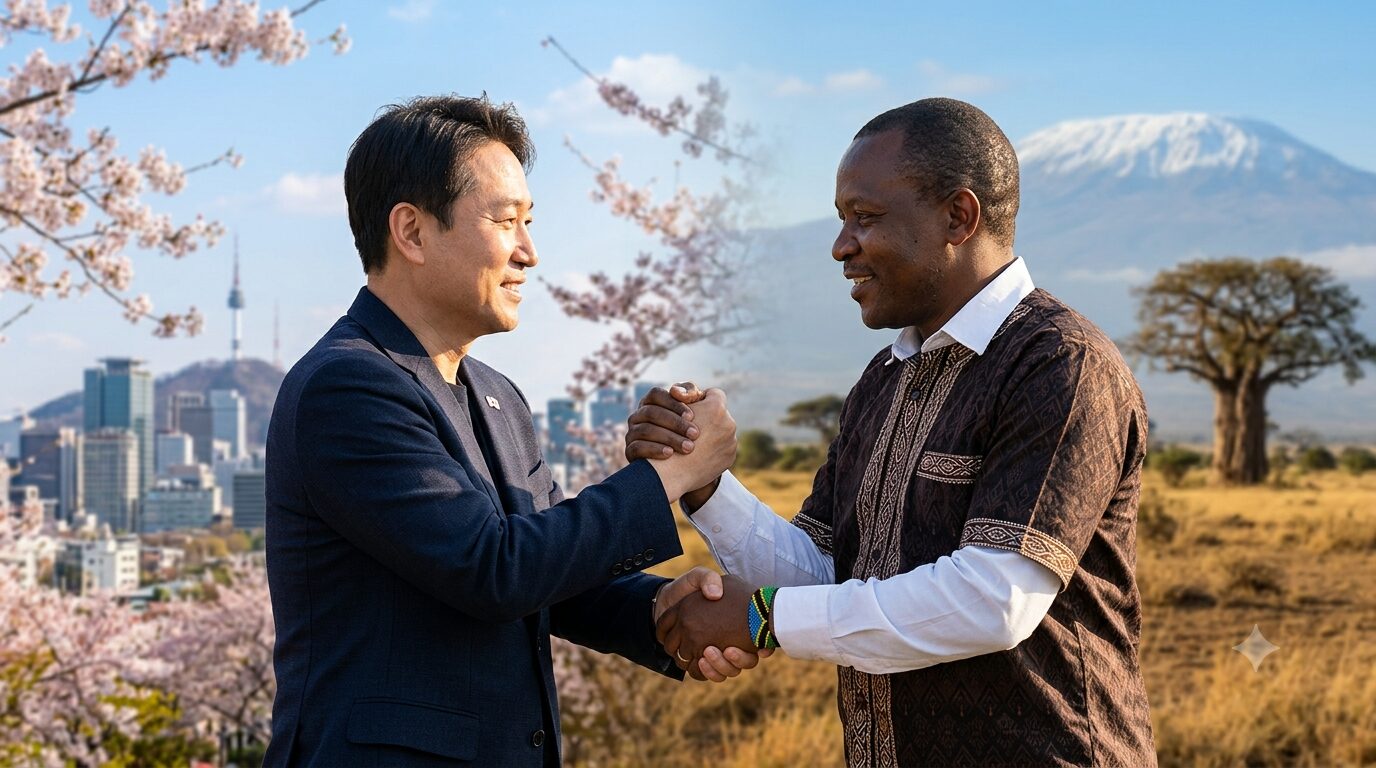
The landscape of international relations is constantly shifting, and one of the most exciting developments on the global stage involves the burgeoning Korea Tanzania ties. This strategic partnership, gaining significant traction, promises to unlock unprecedented opportunities in both tourism and business, drawing attention from across continents and reshaping perceptions of global collaboration. For anyone interested in South Korea’s expanding global footprint, the dynamics of emerging economies, or simply seeking new travel horizons, this alliance presents a fascinating case study in mutually beneficial international engagement.

A New Dawn: Strengthening Korea Tanzania Ties
For decades, South Korea has been a beacon of economic success and technological innovation, while Tanzania, a jewel of East Africa, has captivated imaginations with its breathtaking natural beauty and rich cultural heritage. The recent emphasis on strengthening Korea Tanzania ties marks a pivotal moment, signaling a deepening commitment to mutual growth and development. This relationship isn’t just about diplomatic pleasantries; it’s a strategic alignment aimed at leveraging each nation’s strengths for collective prosperity. From Seoul’s perspective, fostering stronger relationships across Africa aligns with its ‘Look Africa’ policy, seeking new markets, resources, and diplomatic influence. For Tanzania, partnering with an economic powerhouse like South Korea offers a pathway to accelerate its own development goals, particularly in key sectors.
Driving Economic Growth: Trade and Investment
At the heart of enhanced Korea Tanzania ties lies the robust potential for economic cooperation. South Korea, with its advanced industrial base and technological prowess, is an ideal partner for Tanzania’s ambitious development agenda. This partnership is expected to manifest in several key areas:
- Infrastructure Development: Korean companies bring expertise in building roads, ports, energy facilities, and digital infrastructure – crucial elements for Tanzania’s economic expansion.
- Technology Transfer: South Korea can share its knowledge in manufacturing, IT, and green technologies, helping Tanzania to diversify its economy and build local capacity.
- Increased Trade: While current trade volumes are modest, there’s immense potential for growth. Tanzania can offer valuable raw materials and agricultural products, while Korea can supply manufactured goods, machinery, and consumer electronics.
- Direct Investment: Korean firms are looking for new investment destinations, and Tanzania’s strategic location, political stability, and growing market offer attractive incentives. This could lead to job creation and economic diversification within Tanzania.
These economic synergies are not merely theoretical; they represent concrete steps towards tangible benefits for both nations, influencing global supply chains and opening new avenues for international business.
Beyond Business: Cultural Exchange and Diplomacy
While economic considerations often dominate headlines, the strengthening of Korea Tanzania ties extends far beyond mere commerce. Cultural exchange and diplomatic cooperation play a vital role in building lasting relationships. Initiatives promoting education, arts, and people-to-people connections foster mutual understanding and respect. For instance, Korean language and culture programs in Tanzania, or Tanzanian cultural showcases in Korea, can bridge geographical distances and build goodwill. Furthermore, both nations share interests in global issues, from climate change to regional stability, providing platforms for collaborative diplomacy in international forums.
Tanzania’s Tourism Potential: A Glimpse for Korean Travelers
One of the most exciting aspects of the expanding Korea Tanzania ties is the significant boost it promises for Tanzania’s tourism sector. Known as the ‘Soul of Africa,’ Tanzania boasts an unparalleled array of natural wonders and cultural treasures that have long captivated adventurers and nature enthusiasts from around the world. As Korean travelers increasingly seek unique and experiential destinations, Tanzania stands ready to welcome them with open arms.
Unforgettable Experiences Await
For those interested in exploring beyond familiar Asian and European destinations, Tanzania offers a spectrum of truly once-in-a-lifetime experiences:
- The Serengeti National Park: Witnessing the Great Migration, where millions of wildebeest, zebras, and gazelles traverse the vast plains, is an experience unparalleled anywhere else on Earth.
- Mount Kilimanjaro: Africa’s highest peak, an iconic snow-capped dormant volcano, offers challenging treks and breathtaking views for determined climbers.
- Zanzibar: The Spice Island, with its pristine white-sand beaches, turquoise waters, and the historic Stone Town (a UNESCO World Heritage site), provides a perfect blend of relaxation and rich cultural exploration.
- Ngorongoro Crater: A natural caldera teeming with an incredible density of wildlife, offering a unique ‘natural zoo’ experience.
Korean interest in these unique attractions could lead to increased direct flights, specialized tour packages, and a greater awareness of Tanzania as a premier safari and beach destination, benefiting local communities and conservation efforts.

Korea’s Strategic Role: Expertise, Investment, and Soft Power
South Korea’s engagement with Tanzania is not a one-way street; it represents a strategic opportunity for Korea itself. Beyond economic returns, the partnership allows Korea to project its soft power and expand its global influence. By investing in Tanzania’s development, Korea strengthens its reputation as a responsible global partner, particularly important in a continent as strategically vital as Africa.
Spreading the Hallyu Wave
While not the primary focus, the growing ties could also facilitate the natural spread of Korean culture, or ‘Hallyu.’ As more Koreans visit Tanzania and vice-versa, there’s an organic opportunity for K-pop, K-dramas, and Korean cuisine to gain new fans. This cultural exchange, though subtle, plays a significant role in building long-term relationships and fostering understanding between diverse populations.
What This Means for You: A Global Perspective
For our international audience interested in South Korea, the strengthening of Korea Tanzania ties signifies several exciting developments:
- New Travel Horizons: If you’re a globetrotter looking for your next adventure, keep Tanzania on your radar. Increased Korean investment and tourism interest could lead to improved infrastructure and more convenient travel options to this stunning African nation.
- Investment Opportunities: For investors and entrepreneurs, this partnership signals emerging markets and new sectors for growth in East Africa. Korean firms are paving the way, and opportunities for ancillary businesses or joint ventures are likely to follow.
- Understanding Global Dynamics: Observing how South Korea, a developed Asian economy, collaborates with an aspiring African nation like Tanzania offers valuable insights into modern international relations, sustainable development models, and the evolving geopolitical landscape. It highlights a shift towards more diverse and equitable global partnerships.
- Cultural Enrichment: The exchange of ideas, technologies, and traditions between these two distinct cultures enriches the global tapestry, offering new perspectives and fostering a more interconnected world.
Conclusion: A Future Forged in Partnership
The burgeoning Korea Tanzania ties represent more than just a diplomatic handshake; they symbolize a forward-looking partnership poised to deliver substantial benefits across tourism, business, and cultural exchange. For South Korea, it’s an opportunity to deepen its engagement with Africa and expand its economic and cultural footprint. For Tanzania, it’s a strategic alliance that promises to accelerate development, attract investment, and showcase its unparalleled natural beauty to a new generation of travelers. As this relationship continues to blossom, it serves as a powerful reminder of how international collaboration can truly shape a brighter, more interconnected future for us all.
Source: original article
[8372]777bt | অনলাইন ক্যাসিনো এবং বেটিং গেমস বাংলাদেশ,777bt-এ রেজিস্ট্রেশন এবং লগইন করুন, অ্যাপটি ডাউনলোড করুন, প্রমোশনগুলো দেখুন এবং সহায়তার জন্য FAQ বা সাপোর্ট ব্যবহার করুন। এটি বাংলাদেশি খেলোয়াড়দের জন্য একটি অনলাইন ক্যাসিনো গেমিং সাইট। visit: 777bt