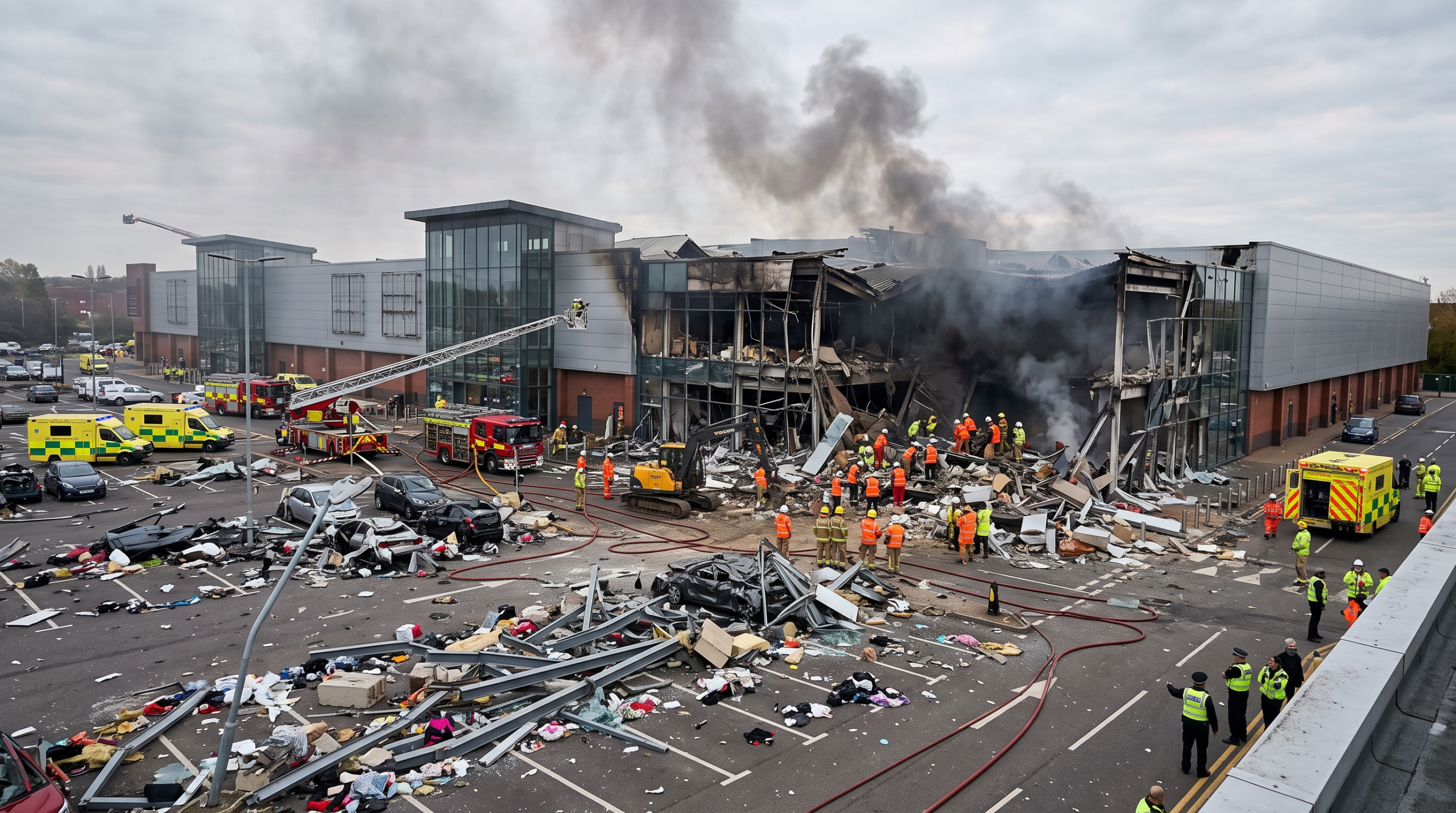
The recent Ukraine shopping center attack, a brutal ‘double-tap’ strike in a bustling retail hub, has once again brought the devastating human cost of conflict into sharp focus. With 16 lives tragically lost and 130 individuals wounded, this incident serves as a grim reminder of the profound impact of war on civilian populations. While the headlines often focus on geopolitical strategies and battlefield gains, it’s crucial for us, as a global audience, to understand the personal tragedies unfolding daily and the broader implications for international law and human rights. This isn’t just a regional conflict; it’s a global concern that challenges our shared values and demands our attention.

Understanding the ‘Double-Tap’ Strike and Its Intent
The term ‘double-tap’ strike refers to a specific, deeply disturbing tactic involving two sequential attacks on the same location. The first strike causes initial damage and casualties, drawing emergency services, first responders, and ordinary citizens rushing to help the wounded or assess the damage. The second strike, often occurring minutes to hours later, targets these very rescuers and those attempting to assist, maximizing casualties among non-combatants and those providing aid. This strategy is not random; it’s designed to inflict maximum terror, overwhelm emergency infrastructure, and potentially discourage future rescue efforts.
In the context of the recent incident, this tactic amplifies the horror. A shopping center, a place of commerce and daily life, is inherently a civilian target. When such a location is hit, the immediate aftermath is chaos and a desperate scramble to save lives. By striking again, the perpetrators knowingly target humanitarian efforts, turning compassion into a dangerous vulnerability. This method is widely condemned under international humanitarian law, particularly the Geneva Conventions, which protect civilians and medical personnel in armed conflict. Intentionally targeting civilians and those aiding them can constitute a war crime, prompting widespread calls for accountability from international bodies and human rights organizations.
The Heartbreaking Human Cost
Beyond the geopolitical machinations and military strategies, lie the individual stories of loss and suffering. Sixteen lives cut short, 130 people bearing physical wounds and psychological scars that may never fully heal. These weren’t soldiers on a battlefield; they were shoppers, employees, families enjoying a day out. Each casualty represents a family torn apart, dreams shattered, and communities left grieving.
The sheer scale of injuries also presents a formidable challenge to an already strained healthcare system. Hospitals must cope with a sudden influx of trauma cases, requiring extensive medical resources, surgical expertise, and long-term rehabilitation. But the wounds are not just physical. The psychological impact on survivors, witnesses, and the wider community is immense. Post-traumatic stress, anxiety, and grief can linger for years, affecting mental health and societal well-being. This incident, like many others in ongoing conflicts, underscores the horrific reality that war’s most brutal blows are often borne by those least equipped to defend themselves.
The Global Repercussions of the Ukraine Shopping Center Attack
An attack of this nature, particularly one employing a ‘double-tap’ strategy against civilian infrastructure, reverberates far beyond Ukraine’s borders. It sends a chilling message about the disregard for human life and international norms of warfare. Global leaders and international organizations, including the European Union and the United Nations, have swiftly condemned the incident, describing it as ‘terror by design’ and calling for thorough investigations into potential war crimes.
For the international community, this event serves as a stark reminder of several critical issues:
- Erosion of International Law: Repeated targeting of civilians and civilian infrastructure undermines the foundational principles of international humanitarian law, setting a dangerous precedent for future conflicts.
- Humanitarian Crisis: Such attacks exacerbate humanitarian crises, forcing more people to flee their homes, creating more refugees, and increasing the need for international aid and support.
- Global Stability: Unchecked aggression and disregard for international norms threaten global stability, potentially drawing in other nations and escalating tensions.
- Accountability: The demand for accountability for those responsible is paramount, not only to deliver justice to the victims but also to uphold the rule of law and deter future atrocities.
Every nation, every citizen, has a stake in upholding the principles that protect innocent lives in times of conflict. The international response, whether through diplomatic pressure, sanctions, or humanitarian assistance, plays a crucial role in shaping the future trajectory of such events.
Resilience Amidst Unspeakable Tragedy
Despite the immense suffering, stories of resilience and solidarity consistently emerge from Ukraine. Communities come together to support one another, volunteers assist in rescue efforts, and ordinary citizens demonstrate extraordinary courage in the face of adversity. This spirit, combined with unwavering international support in the form of aid, medical supplies, and diplomatic backing, offers a glimmer of hope amidst the darkness.
The global audience, while distanced geographically, is intricately connected through shared humanity. Awareness, empathy, and advocacy play a vital role in ensuring that these atrocities are not forgotten and that pressure for peace and justice continues. Every report, every shared story, contributes to a collective understanding that can ultimately influence policy and drive change.
The Ukraine shopping center attack is more than just a news item; it’s a profound tragedy with far-reaching implications. It underscores the urgent need for a peaceful resolution to the conflict, strict adherence to international law, and unwavering support for those caught in the crossfire. As we process these heartbreaking events, let us remember the victims, support the survivors, and advocate for a world where such acts of violence against civilians are never tolerated.
Source: original article
[3283]bdgame login করুন ও অ্যাপ ডাউনলোড – বিকাশ ক্যাসিনো ডিপোজিট,bdgame-এ লগইন করে অনলাইন স্লট গেম ট্রিকস জানুন এবং লাইভ ডিলারের ক্যাসিনো বোনাস লুফে নিন। আজই অ্যাপ ডাউনলোড করে গেমিং শুরু করুন। visit: bdgame
[2304]pgsoft login করুন | বিকাশ দিয়ে অনলাইন স্লট গেম খেলুন,pgsoft গেমে আজই জয়েন করুন। pgsoft app download করে মোবাইল ক্যাসিনো বোনাস অফার নিন এবং অনলাইন রুলেট খেলার নিয়ম শিখে জিতে নিন। visit: pgsoft
I’ve been using this platform for a while now and the interface is super smooth. Definitely one of the best options available right now. Check out krbetwinnerapp for a great experience.