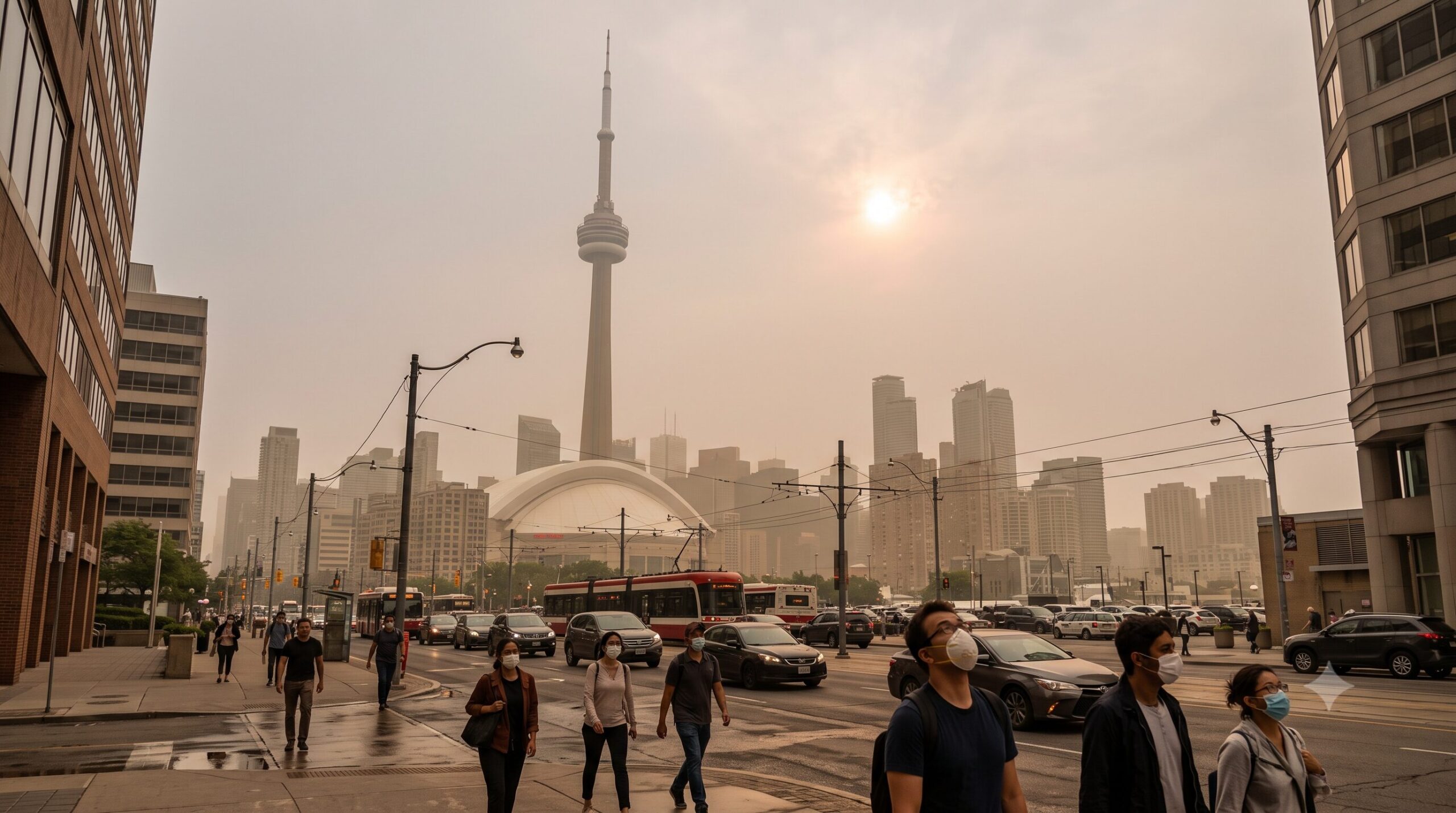
The recent air quality warnings in Canada, directly linked to US wildfire smoke, underscore a complex and increasingly pressing global challenge that intertwines environmental health with international relations. What began as a localized ecological disaster has once again transcended borders, casting a literal haze over neighboring nations while simultaneously igniting political and economic tensions. This isn’t just a story about dirty air; it’s a profound look into the ripple effects of climate change, the interconnectedness of our planet, and the delicate balance of diplomacy when environmental crises collide with trade disputes. For a broad international audience, understanding this unfolding situation provides crucial insights into how local events can have far-reaching global consequences, impacting everything from public health to economic stability.
The Invisible Threat: Understanding Wildfire Smoke’s Global Reach
When wildfires rage, they don’t just consume forests; they release a cocktail of harmful pollutants into the atmosphere. This “wildfire smoke” is not merely smoke as we commonly understand it – a plume of black soot. Instead, it’s a complex mixture of fine particulate matter (PM2.5), carbon monoxide, volatile organic compounds, and other toxic gases. PM2.5 is particularly insidious because these tiny particles, 30 times smaller than the width of a human hair, can penetrate deep into the lungs and even enter the bloodstream.
The danger doesn’t stop at the fire’s edge. Atmospheric conditions, including high-altitude jet streams and prevailing winds, can carry this smoke thousands of miles across continents and even oceans. This is why communities far removed from the actual fires, like those in Eastern Canada or even parts of Europe, can find their skies hazy and their air quality plummeting. The health impacts are significant and wide-ranging:
- Respiratory Issues: Aggravates asthma, bronchitis, and other chronic lung diseases.
- Cardiovascular Problems: Increases the risk of heart attacks and strokes, especially in vulnerable populations.
- Eye and Throat Irritation: Common immediate effects for anyone exposed.
- Vulnerable Populations: Children, the elderly, pregnant women, and individuals with pre-existing health conditions are particularly susceptible to severe effects.
This transboundary pollution makes wildfire smoke a truly global concern. A fire in one nation can become a public health crisis in another, highlighting the urgent need for international cooperation on climate action and environmental management.
Canada Under the Haze: A Shared Atmospheric Burden
Canada, a nation with vast wilderness and often its own significant wildfire seasons, has frequently found itself on the receiving end of smoke drifting from the United States. Recent reports of air quality warnings across various Canadian provinces, from Ontario to Quebec, directly attributed to blazes south of the border, are a stark reminder of this shared environmental fate. Cities like Toronto, Montreal, and Ottawa have seen their air quality index (AQI) soar to hazardous levels, leading to public health advisories urging residents to stay indoors, limit strenuous activity, and wear N95 masks when venturing outside.
This isn’t an isolated incident. Both the U.S. and Canada share a continental climate and interconnected weather patterns, meaning that smoke from either side can easily cross the 49th parallel. While Canada has faced its own unprecedented wildfire seasons in recent years, the current situation underscores the reciprocal nature of transboundary pollution. When one neighbor struggles with environmental challenges, the other often feels the impact, making a strong, cooperative relationship essential for addressing these shared threats.
The Economic Aftermath: Beyond US Wildfire Smoke
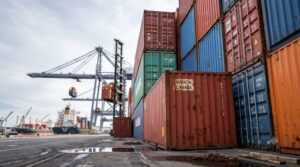
Amidst the environmental concerns, a separate but equally significant storm has been brewing: the threat of new tariffs from the United States against Canadian goods. This development injects a layer of geopolitical tension into an already complex situation. The former US President has publicly floated the idea of imposing a 50% tariff on certain Canadian products, ostensibly linking these trade measures to the wildfire smoke issue.
Such threats are not new in the US-Canada relationship. Historically, the two nations, despite being vital trading partners, have had their share of trade disputes over issues like lumber, dairy, steel, and aluminum. These past disputes have shown how tariffs, while intended to protect domestic industries or exert political pressure, often result in higher costs for consumers, retaliatory tariffs, and disruptions to global supply chains. A 50% tariff would be a significant barrier, potentially impacting a wide array of Canadian exports and, in turn, increasing prices for American consumers who rely on those goods. This economic saber-rattling during an environmental crisis further complicates an already delicate diplomatic balance, making it harder to address the shared environmental challenges that demand collaborative solutions.
Climate Change, Diplomacy, and Our Interconnected World
The nexus of wildfire smoke and trade threats serves as a powerful illustration of our interconnected world. The increasing frequency and intensity of wildfires globally are widely linked to climate change, characterized by hotter, drier conditions that create ideal environments for blazes to ignite and spread rapidly. When these climate-driven disasters spill across borders, they invariably test the resilience of international relations.
This situation highlights several critical points for a global audience:
- The Urgency of Climate Action: Environmental crises like wildfires are no longer confined to remote areas; their impacts are felt widely, necessitating a unified global approach to climate change mitigation and adaptation.
- The Importance of Diplomacy: Stable and constructive diplomatic channels are crucial for managing cross-border issues, whether they are environmental, economic, or political. Linking unrelated trade disputes to environmental crises can undermine the goodwill needed for effective collaboration.
- Economic Vulnerability: Global supply chains and national economies are increasingly vulnerable to both environmental disruptions and protectionist trade policies.
- Shared Responsibility: Just as smoke doesn’t respect borders, neither do the solutions required to tackle climate change. International cooperation in disaster preparedness, response, and policy-making is paramount.
Understanding these dynamics is vital for citizens worldwide, as similar scenarios could unfold between any two nations sharing an ecosystem or engaged in significant trade. The Canadian air quality warnings, driven by fires in the US, combined with tariff threats, represent a microcosm of the complex challenges facing our planet.
Conclusion
The ongoing narrative of Canadian air quality warnings due to US wildfires, set against a backdrop of renewed tariff threats, is a poignant reminder of the intricate connections between our environment, economies, and international diplomacy. It underscores that environmental problems in one nation can quickly become public health emergencies and political flashpoints in another. As wildfires intensify globally, driven by a changing climate, and as nations navigate complex trade relationships, the need for stable, collaborative, and forward-thinking international engagement has never been more critical. Moving forward, addressing shared environmental challenges and fostering robust economic partnerships will require a commitment to diplomacy and a recognition of our collective responsibility for the health of our planet and its people.
Source: original article