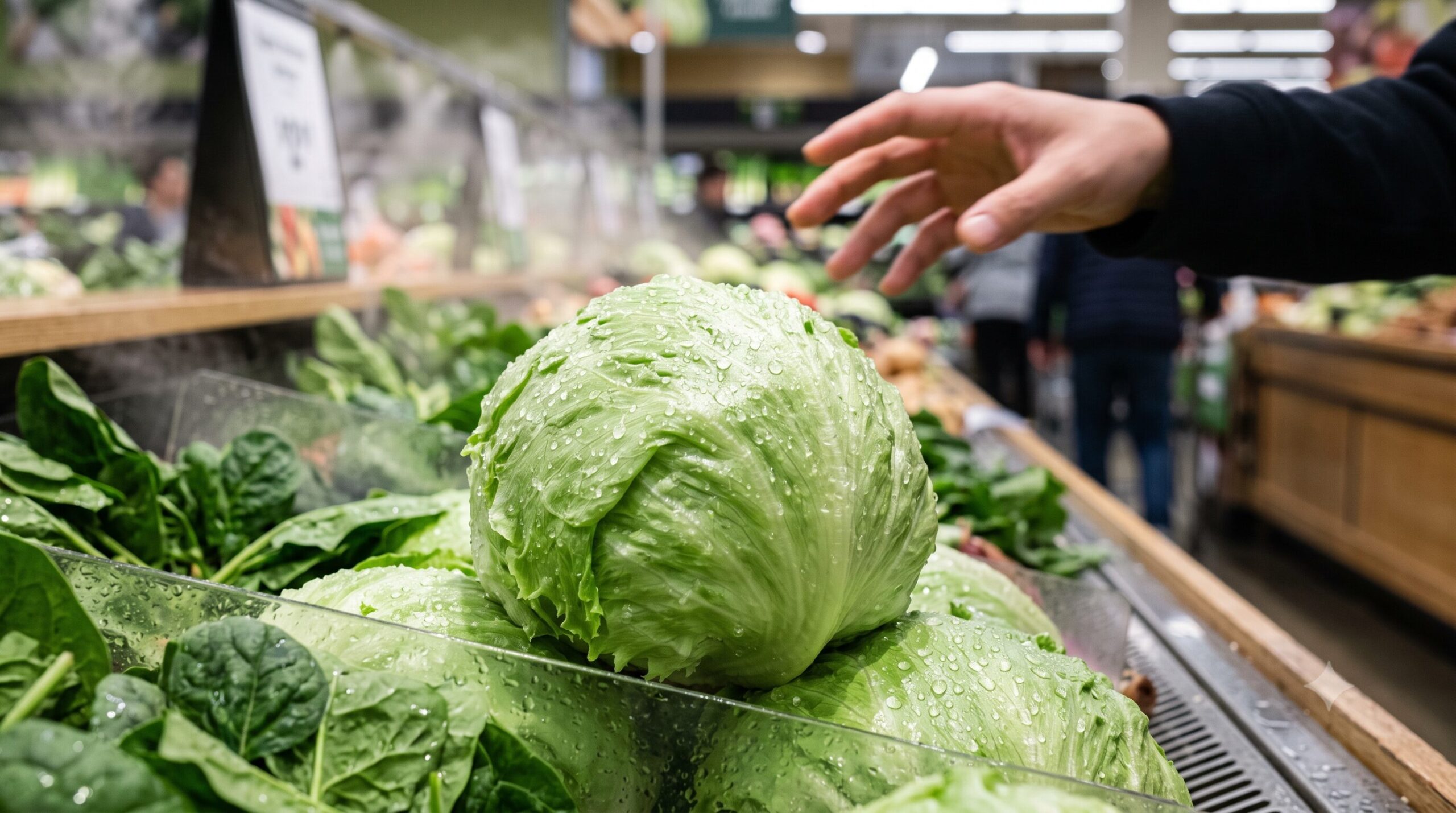
The ongoing Cyclospora investigation involving a major lettuce supplier continues to capture headlines, highlighting critical questions about food safety and the complexities of public health efforts. What began as a seemingly clear-cut case of a parasite outbreak linked to specific produce has taken an unexpected turn, yet the focus remains on the same supplier. For consumers around the world, this evolving story isn’t just about a single brand or product; it’s a stark reminder of the global interconnectedness of our food supply and the constant vigilance required to ensure our meals are safe. Let’s delve into the latest developments, understand what Cyclospora is, and explore why this ongoing probe matters to your dinner table, no matter where you are.
Understanding Cyclospora and Cyclosporiasis
Before we dive deeper into the current investigation, it’s essential to understand the invisible culprit: Cyclospora cayetanensis. This microscopic parasite is a single-celled organism that, when ingested, can cause an intestinal infection known as cyclosporiasis. Unlike bacteria or viruses that can sometimes be killed by simple washing, Cyclospora is notoriously resistant to common disinfection methods like chlorine and even some hand sanitizers, making it particularly challenging to eradicate from fresh produce.
Symptoms and Transmission
- Symptoms: The illness typically manifests with severe, watery diarrhea, often accompanied by abdominal cramps, nausea, loss of appetite, weight loss, and fatigue. These symptoms can be prolonged, lasting anywhere from a few days to several weeks or even months if left untreated. For vulnerable populations, such as young children, the elderly, or those with weakened immune systems, cyclosporiasis can lead to serious complications.
- Transmission: Humans become infected by consuming food or water contaminated with Cyclospora oocysts (the infectious stage of the parasite). Unlike some other foodborne illnesses, Cyclospora is not typically spread directly from person to person. Instead, it’s almost always linked to contaminated fresh produce, especially berries, leafy greens, and herbs, which have been irrigated with contaminated water or handled by infected individuals who didn’t practice proper hygiene.
The global nature of food distribution means that a localized contamination event can quickly become an international public health concern, affecting consumers far beyond the initial source.
The Evolving Landscape of the Cyclospora Investigation
The recent news has brought a significant twist to the ongoing Cyclospora investigation. Initially, federal health officials, including the FDA, had pointed to fresh iceberg lettuce from Taylor Farms as the likely source of several clusters of cyclosporiasis cases across multiple states. However, a specific test result that seemingly confirmed the parasite’s presence was later retracted, labeled as a “false positive.”
The “False Positive” and Continued Focus
This reversal might sound like a reason to shift focus, but remarkably, the FDA has clarified that despite the retracted test, their investigation remains squarely on Taylor Farms and iceberg lettuce. This continued focus is not arbitrary. Foodborne illness investigations are incredibly complex, relying on a confluence of epidemiological data, traceback efforts, and laboratory testing. Even without that single confirmatory test, the weight of other evidence – including the timing of illnesses, consumer interviews, and supply chain tracing – continues to point to this specific product and supplier.
What this tells us is that the scientific process is iterative and robust. A false positive is a learning point, not necessarily a dead end. Investigators are likely examining multiple clusters of cases, trying to find common denominators beyond just the single retracted test. They are looking at the ‘big picture’ of contaminated food items, supply chains, and processing methods that could have led to widespread exposure.
Why This Matters to You: A Global Perspective
For individuals and families worldwide, this story highlights several critical aspects of our modern food system:
- Trust in the Food Supply Chain: Incidents like this can erode consumer trust. When investigations take unexpected turns, it underscores the need for transparency and thoroughness from both food producers and regulatory bodies. Consumers depend on these systems to ensure their food is safe, regardless of origin.
- Global Food Distribution: While this particular outbreak is centered in the U.S., the ingredients and products of major food suppliers often crisscross international borders. A contamination event in one region can have ripple effects globally, making robust international food safety standards and collaborative investigations crucial.
- The Challenge of Fresh Produce: Fresh produce, especially items eaten raw like lettuce, presents unique food safety challenges. Unlike cooked foods, there’s no “kill step” (like heating) to eliminate pathogens. This places immense responsibility on growers, harvesters, and processors to maintain impeccable hygiene from farm to fork.
- Economic Impact: Beyond public health, such investigations carry significant economic weight. Suppliers face potential recalls, legal ramifications, and damage to their reputation. The broader agricultural sector also feels the impact, as consumer confidence in certain produce categories can wane.
Practical Steps for Protecting Yourself
While food safety agencies and suppliers work to resolve these issues, consumers also play a vital role in protecting themselves and their families. Here are some practical tips:
- Wash Produce Thoroughly: Always wash fresh fruits and vegetables under running water, even if you plan to peel them. Gently rub produce under plain water. For firmer items like lettuce, you can use a clean vegetable brush. While washing might not remove all Cyclospora, it can reduce other contaminants.
- Be Aware of “Ready-to-Eat” Claims: Even if a package says “pre-washed” or “ready-to-eat,” an extra rinse under running water doesn’t hurt, especially for vulnerable populations.
- Separate and Store Safely: Keep fresh produce separate from raw meat, poultry, seafood, and eggs to prevent cross-contamination. Store produce properly in the refrigerator.
- Stay Informed: Pay attention to food safety alerts from official sources like the FDA, CDC, or your local health authorities. These alerts provide crucial, timely information on specific products or brands to avoid.
- Cook When Possible: For certain types of produce or if you are at higher risk, cooking can eliminate parasites and bacteria. However, many items like lettuce are consumed raw, emphasizing the need for robust pre-market safety.
- Practice Good Hand Hygiene: Always wash your hands thoroughly with soap and water before and after handling food, especially fresh produce.
Conclusion
The ongoing Cyclospora investigation serves as a powerful reminder of the intricate web that forms our global food system. Despite initial setbacks with testing, the steadfast focus of health authorities underscores their commitment to public safety. For consumers, this isn’t just a distant news story; it’s a call to remain informed, practice diligent food handling at home, and understand that our food security is a shared responsibility. By staying vigilant and informed, we can all contribute to a safer food environment for everyone.
Source: original article